Visit my other website veganbotany.com for planting, natural medicine, and vegan health information.
The information provided on this site is for educational purposes only, please consult with a qualified healthcare professional regarding your specific health requirements.

Did you know that nutritional intake isn’t only what foods we eat?
How food is prepared can influence nutritional absorption by 10% to 50%.
vegan.com , vegan.org , and myfooddata.com are resourceful and informative.
Excess or deficient vitamins, minerals, and nutrients cause symptoms like poor absorption of vitamins, minerals, and nutrients, cognitive decline, organ dysfunction, feeling lightheaded, difficulty thinking, etc.
The body can only absorb limited amounts of vitamins, minerals, and nutrients at one time; Large meals overwhelm the body, and the extras that can’t be absorbed are removed from the body.
Timing meals and snacks apart, while strategizing what to eat while considering nutrient absorbency interactions from other consumables, allows the most vitamins, nutrients, and minerals to be effectively absorbed, increasing the body’s energy, improving the mind’s cognition, and reducing soreness and pain in the body.
High intake of sugar creates a biological environment that significantly increases the risk of developing many types of cancer.
Freezing foods and storing them frozen for more than 6 to 12 months could destroy 10% to 90% of temperature-sensitive Beta-Carotene (pre-vitamin A), Vitamins A, B1 (Thiamin), B2 (Riboflavin), B6 (Pyridoxine), B9 (Folate), C, and E.
Cooking and heat break down heat-sensitive vitamins and nutrients, however cooking breaks down plant cell walls and releases trapped vitamins, minerals, and phytochemicals.
Try my personal meal routine for every day.
The portions listed are designed for a 5’1″ female weighing approximately 110 lbs. with a moderate activity level. I have spent months strategizing meal timing, food selection, and how to get the most nutrients out of vegan foods. You could share this meal plan with a generative AI tool, providing your weight, height, age, activity level, and goals, and ask it to rescale the portions to match your requirements.
I drink 1 cup of water with each meal or snack.
The goitrogens from beans and legumes (reduces by soaking and cooking) and vegetables (steaming effectiveness varies by vegetable) and the iodine from wakame all pressure the thyroid’s function, so on days with high goitrogens from brussel sprouts, kale, or broccoli, don’t supplement with iodine from wakame or other iodine sources that day.
Steaming is better, it has high nutrient retention and destroys 65% of goitrogens. Boiling has high nutrient loss, and destroys 90% of goitrogens.
Energy and Protein Breakfast
Tempeh and steamed vegetable eaten prior to next high phytate breakfast.
Vitamin K2, different from vitamin K, is required to direct calcium into bone and teeth, and prevents calcium from building up and causing health problems in arteries and kidneys. There aren’t many sources for vegans, and there are two types, M-4 (stays in blood for 1 to 6 hours) and M-7 (stays in blood for 72 hours). 4 ounces of tempeh has 13 to 40 mcg K2 M-7, depending on how it was made. I eat 4 ounces of tempeh twice a day, every day, so this effect stacks from the K2 not going away until 3 days after it was eaten, so I always have anywhere between 84 mcg to 240 mcg in my body each day, and is sufficient.
Vitamin C from the vegetable (3:1 or 2:1 for Vitamin C:Iron) at the same meal as iron increases absorbency of the iron by 150% to 200% from the tempeh and lentils or beans.
Fats from tempeh and avocado increase carotenoid (pre-vitamin A) absorbency and vitamin K absorbency from the vegetables.
Vitamins A, D, E, and K are fat soluble, and without fat in the same meal as those vitamin dense fruits or vegetables, the body doesn’t absorb 70% to 90% of those vitamins.
Fats from avocado and or coconut increase vitamin A and vitamin K absorbency from the vegetable by 300% to 500%.
Vitamins A, D, E, and K are fat soluble, and without fat in the same meal as those vitamin dense fruits or vegetables, the body doesn’t absorb 70% to 90% of those vitamins.
Tempeh and lentils are low in the amino acid methionine, yet high in lysine. Quinoa is high in methionine. Together, they form complete necessary amino acid proteins.
4½ cups serving size.
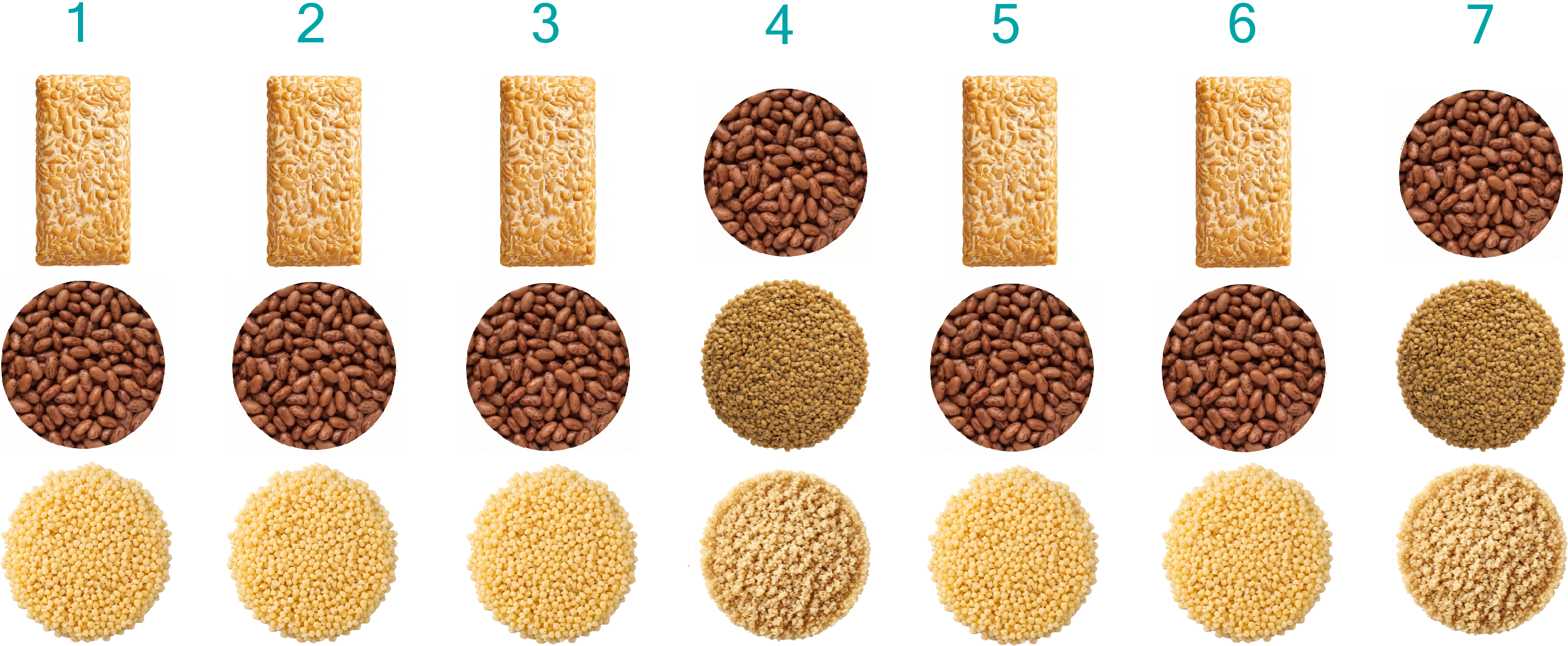
I eat 8 ounces of tempeh for 3 days, skip a day of tempeh, then have 2 days of tempeh, and skip a day, and repeat this pattern.
Reduced tempeh and less lentils importantly reduces phosphorus (phytates) that weaken bones and increase risk of cardiovascular disease in excess over years, and also reduces manganese and copper that, in excess over years, causes cellular damage, organ damage, and neurological disorders.
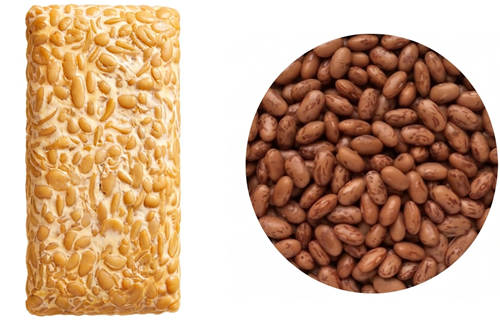
4 ounces steamed tempeh or 1 cup pinto beans, thoroughly rinsed then soaked at 75°F for 24 hours, water changed each 6 hours to prevent harmful bacteria, then cooked
(Protein, fiber, vitamins, nutrients, choline, minerals, and only the tempeh has vitamin K2 M-7, [necessary for health, different than vitamin K].)
Click here to learn how soaking legumes and beans improves nutrient absorption.
The fermentation that creates tempeh breaks down it’s phytates, allowing for more mineral absorption from other foods. Tempeh contains 10% RDV calcium, slightly more than 10% Vitamins B3 and B6, slightly more than 20% for iron, Vitamin B2 and phosphorus, and more than 40% manganese and copper.
The fermentation process used to create tempeh (primarily using Rhizopus fungi) naturally produces the enzyme phytase, which actively breaks down the phytic acid. By the time the soybeans are fermented and cooked, phytic acid is reduced by up to 90%, and minerals like calcium, iron, and zinc highly bioavailable.
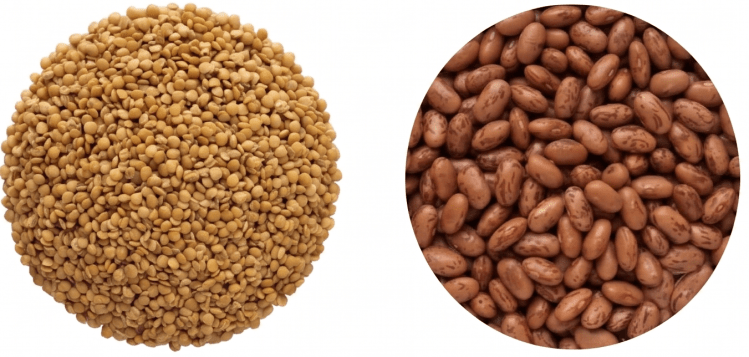
¾ cup of lentils (if no tempeh), rinsed and soaked for 6 hours then cooked or 1.5 cup pinto beans (if with tempeh), thoroughly rinsed then soaked at 75°F for 24 hours, water changed each 6 hours to prevent harmful bacteria, then cooked
(Protein, fiber, vitamins, 15% choline, nutrients, and minerals.)
Sort legumes and beans prior to cooking to remove foreign objects.
Must drain water and add new water every 6 hours to prevent harmful bacteria, soak lentils or beans at room temperature (60°F to 75°F) for 24 hours to break down phytic acid and increases the absorption of iron, zinc, and magnesium from the legumes or beans.
Beans: Cook time on Medium: 30 to 60 minutes if soaked for 12+ hours, 60 to 90 minutes if unsoaked.
Lentils: Cook time on Medium: 5 to 15 minutes if soaked for 12+ hours, 15 minutes if unsoaked.
Click here to learn how soaking legumes and beans improves nutrient absorption.
I strongly prefer and suggest pinto beans rather than other beans, as pinto beans have good vitamin content and the least phosphorus (phytates), copper, and manganese of bean types.
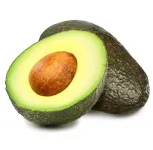
1 washed whole organic avocado
(High in fat, though omega-3 (ALA) is very low, it supplies protein, fiber, and essential minerals like potassium, copper, manganese, and magnesium. Enjoy one every day as an excellent source of lutein, zeaxanthin, and Vitamins B1, B2, B3, B5, B6, B9, C, E, and K.)
Increases absorption of fat soluble vitamins from vegetables by 200% to 400%.
Click here to learn why omega fats providing ALA and DHA are required to keep us alive.
OR
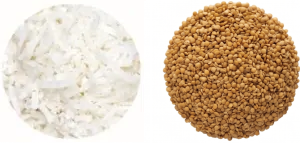
Finely ground shredded unsulfured coconut (1 tablespoon on tempeh day, or 2 tablespoons on no tempeh day) and ¾ cup of lentils rinsed and soaked for 6 hours then cooked
(Coconut has saturated and unsaturated fats, the brain and body need it to function and stay alive. Lentils provide vitamins B5, B7, and B9 that the avocado has, and also provides extra choline, fiber, iron, and protein.)
The fat from coconut shreds (and tempeh’s natural fat) increases absorption of vitamin A (as beta‑carotene) and vitamin K from the avocado and cauliflower.
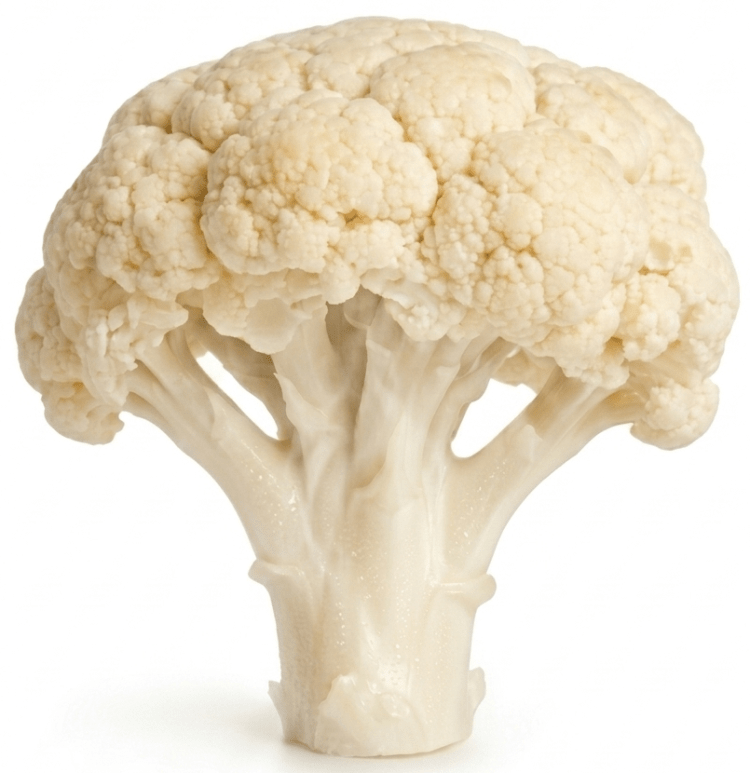
1½ cups steamed cauliflower
(90% RDV Vitamin K, more than 80% RDV Vitamin C, good source of multiple B vitamins including B1, B2, B3, B5, B6, and folate.)
The vitamin C from cauliflower increases iron absorbency from tempeh and lentils or beans by 150% to 200% more iron absorbency.
For the cauliflower, chop them and let it rest for 40 minutes prior steaming to allow the myrosinase enzyme to create sulforaphane, a powerful, heat-resistant antioxidant. Steam cauliflower florets for 4 to 5 minutes until a bright green, then immediately remove. This provides the sulforaphane antioxidant, and also the phytochemical indoles that supports liver detoxification, regulates cellular health, and effectively balances hormone metabolism.
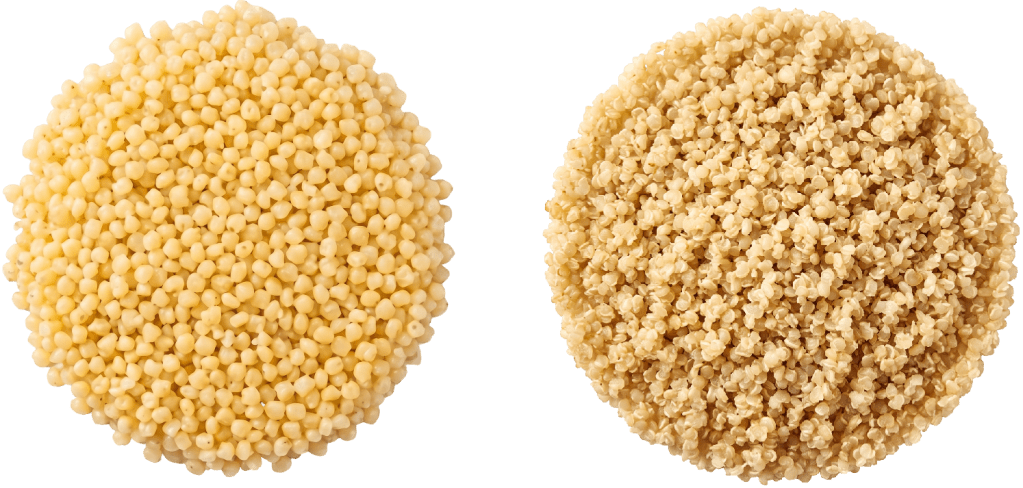
1 cup organic quinoa or millet, thoroughly rinsed then cooked
(Protein, dietary fiber, iron, magnesium, and B vitamins., only quinoa has all nine essential amino acids.)
Sort grains prior to cooking to remove foreign objects.
Exercise 4 hours after eating Breakfast, then:
Less phytate (tempeh and beans) vs. minerals (sunflower seeds) competition.
Phytates reduce absorption of positively charged minerals (iron, zinc, magnesium, and calcium), so they’re consumed 3.5 hours apart.
The fats from the seeds increase fat soluble vitamins A, D, E, and K absorption by 300% to 400%.
⅓ cups serving size.
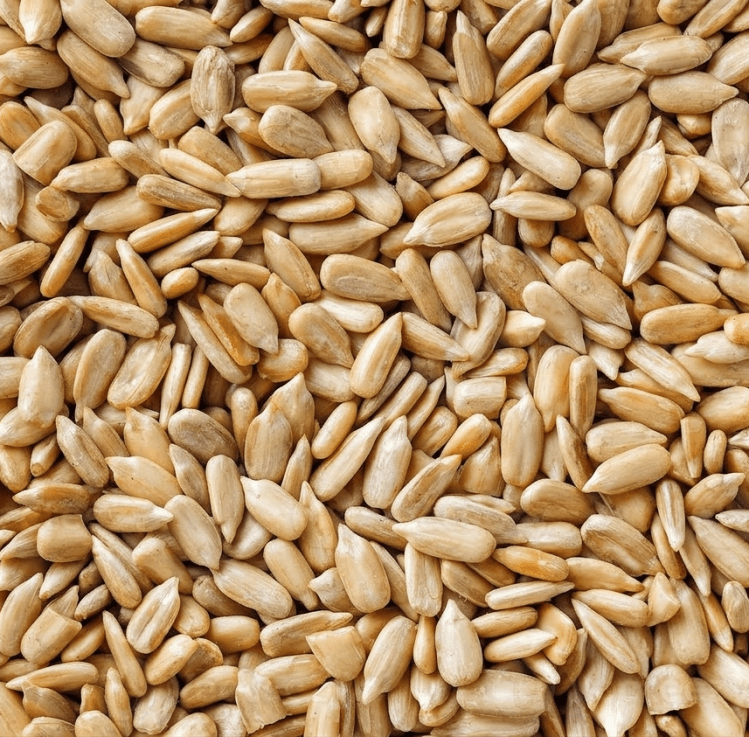
⅓ cup organic salted and roasted sunflower seeds
(Omega-6 fats. protein, fiber, sodium, more than 10% for Vitamins B3, B6, B9, iron, and zinc, approximately 30% manganese and selenium, and more than 40% Vitamin B5 and Vitamin E.)
4 hours after eating sunflower seeds and vegetable,
Less Phytate competition between the sunflower seeds and tempeh.
3½ cups serving size.
4 ounces steamed tempeh or 1 cup pinto beans, thoroughly rinsed then soaked at 75°F for 24 hours, water changed each 6 hours to prevent harmful bacteria, then cooked
(Protein, fiber, vitamins, nutrients, choline, minerals, and only the tempeh has vitamin K2 M-7, [necessary for health, different than vitamin K].)
Click here to learn how soaking legumes and beans improves nutrient absorption.
The fermentation that creates tempeh breaks down it’s phytates, allowing for more mineral absorption from other foods. Tempeh contains 10% RDV calcium, slightly more than 10% Vitamins B3 and B6, slightly more than 20% for iron, Vitamin B2 and phosphorus, and more than 40% manganese and copper.
The fermentation process used to create tempeh (primarily using Rhizopus fungi) naturally produces the enzyme phytase, which actively breaks down the phytic acid. By the time the soybeans are fermented and cooked, phytic acid is reduced by up to 90%, and minerals like calcium, iron, and zinc highly bioavailable.
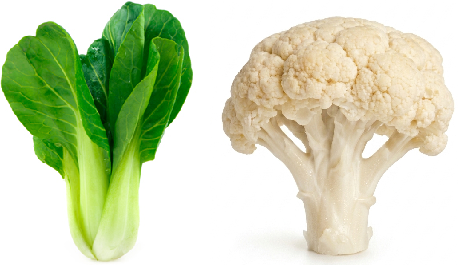
1½ cups bok choy or steamed cauliflower
(Vitamin C from steamed bok choy or steamed cauliflower increases absorption of non‑heme iron (plant‑based iron) by 50% to 150%.)
Good source of antioxidants, glucosinolates (anti‑inflammatory and anti‑cancer), choline, vitamins B6, B9 (folate), C, and K.
Chop bok choy or cauliflower and let it rest for 40 minutes prior steaming to allow the myrosinase enzyme to create sulforaphane, a powerful, heat-resistant antioxidant. Steam small florets or chopped bok choy for 3 to 4 minutes until a bright green, then immediately remove. This provides the sulforaphane antioxidant, and also the phytochemical indoles that supports liver detoxification, regulates cellular health, and effectively balances hormone metabolism.
1 washed whole organic avocado
(High in fat, though omega-3 (ALA) is very low, it supplies protein, fiber, and essential minerals like potassium, copper, manganese, and magnesium. Enjoy one every day as an excellent source of lutein, zeaxanthin, and Vitamins B1, B2, B3, B5, B6, B9, C, E, and K.)
Increases absorption of fat soluble vitamins from vegetables by 200% to 400%.
Click here to learn why omega fats providing ALA and DHA are required to keep us alive.
OR
Finely ground shredded unsulfured coconut (1 tablespoon on tempeh day, or 2 tablespoons on no tempeh day) and ¾ cup of lentils rinsed and soaked for 6 hours then cooked
(Coconut has saturated and unsaturated fats, the brain and body need it to function and stay alive. Lentils provide vitamins B5, B7, and B9 that the avocado has, and also provides extra choline, fiber, iron, and protein.)
The fat from coconut shreds (and tempeh’s natural fat) increases absorption of vitamin A (as beta‑carotene) and vitamin K from the avocado and vegetables.
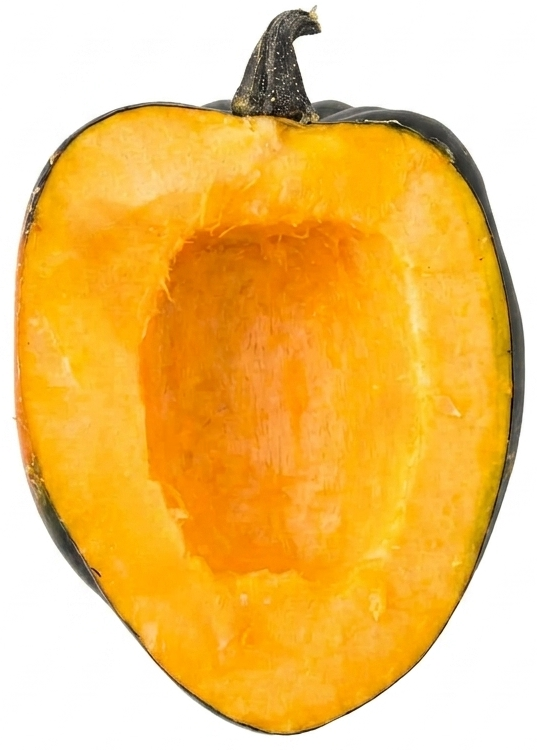
Sometimes, 1 cup of steamed acorn squash
(Fiber, iron, potassium, magnesium, vitamin A, vitamins B2, B3, B5, B6, B9, and vitamin C. The vitamin C consumed at the same time as iron increases absorption of plant-based iron by 200% to 300%.)
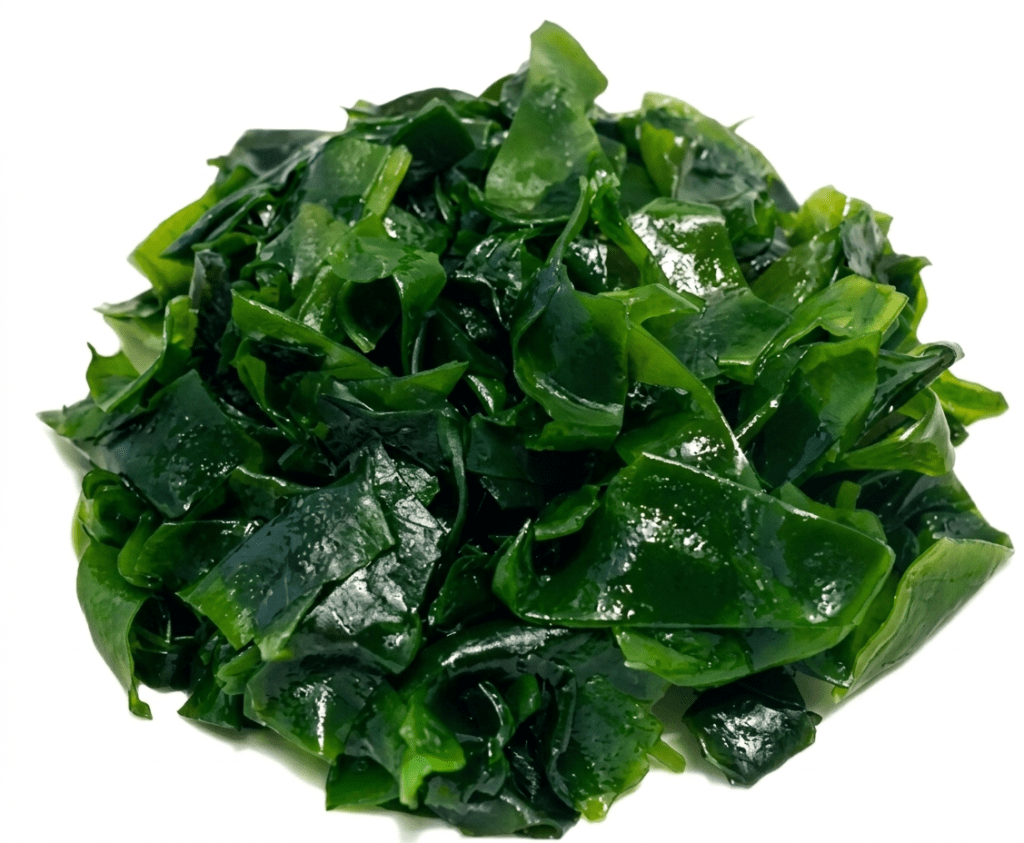
1 tablespoon rehydrated, drained, and rinsed wakame
(Almost 100% RDV iodine or iodide, 25% copper.)
Caution: Wakame naturally has small amounts of arsenic, eating more than 1 tablespoon each day provides excessive iodine and arsenic that could be difficult for the body to process.
1 cup organic quinoa or millet, thoroughly rinsed then cooked
(Protein, dietary fiber, iron, magnesium, and B vitamins., only quinoa has all nine essential amino acids.)
Sort grains prior to cooking to remove foreign objects.
Exercise 4 hours after, then Calcium and Protein
Drink soy milk and have steamed high calcium, low phytate vegetables immediately after 30 minutes of exercise for muscle repair and hydration.
2½ cup serving size.
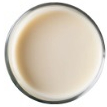
1½ cup of organic unsweet B12 fortified Silk soy milk
(Protein, 20% RDV calcium, 15% Vitamin A and D, more than 100% Vitamin B12 required to live (Click to learn more), 35% Vitamin B2, and other nutrients and minerals.)
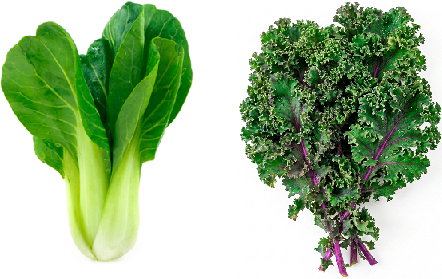
1 cup steamed bok choy or kale
(prioritize bok choy, due to high goitrogen levels in kale)
(High calcium, very high vitamin K, very high vitamin A as beta-carotene, vitamin C, vitamin B6, copper, manganese; good source of iron, magnesium, potassium, thiamin, riboflavin; moderate niacin, pantothenic acid, folate, vitamin E.)
The vitamin C consumed at the same time as the iron increases the iron absorbency from soy milk by 200% more to 400% more iron absorbency.
Chop bok choy or kale and let it rest for 40 minutes prior steaming to allow the myrosinase enzyme to create sulforaphane, a powerful, heat-resistant antioxidant. Steam chopped greens for 3 to 4 minutes until a bright green, then immediately remove. This provides the sulforaphane antioxidant, and also the phytochemical indoles that supports liver detoxification, regulates cellular health, and effectively balances hormone metabolism.
Wait 3.5 hours, then
Iron bioavailability in chia seeds and wheat germ are both molecularly connected to many minerals, so placing them together allows other isolated meals to remain fully free of their phytate interference.
Waiting 3 hours lets the phytates from the EDIT thoroughly digest and allows more absorption of minerals from the chia seeds.
Ground chia seeds provide 58% more nutrients, vitamins, and minerals than whole chia seeds.
Vitamin C at the same meal as iron increases iron absorption by 200% to 300%, and vitamin C protects fragile omega-3 fats from the chia seeds and prevents them from oxidizing.
Omega-3 (ALA) fats are converted to DHA (the brain is 40% DHA).oved by Calcium, Vitamin C, Choline, and Omega-3
2 cup serving size.
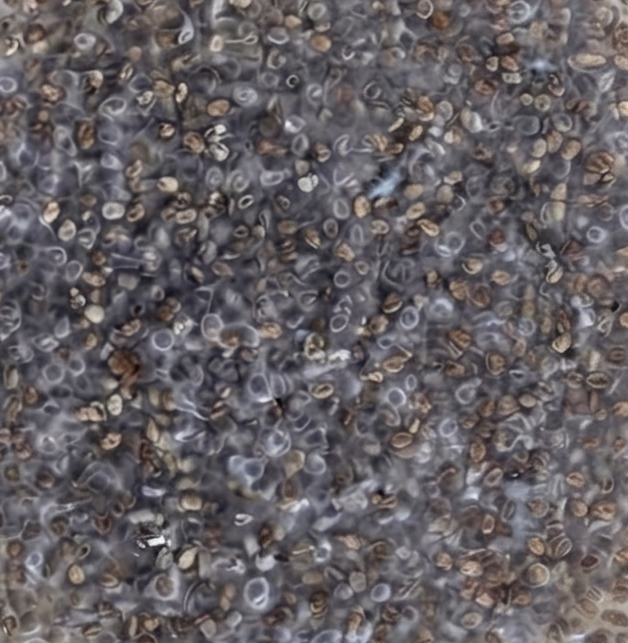
4 tablespoons dry organic chia seeds ground in a coffee grinder, soak 2 hours at 60°F to 75°F in 1½ cups drinking water, then consumed or refrigerated
(Protein, fiber, and critically high omega-3 (ALA) and omega-6 fats for brain function with their ALA converted to DHA.)
Chia seeds absorb 12 times their volume of liquid. Drink with 1.5 to 2 cups of water to increase digestion and prevent the chia seeds from absorbing fluids from inside the body.
Click here to learn why omega fats providing ALA and DHA are required to keep us alive.
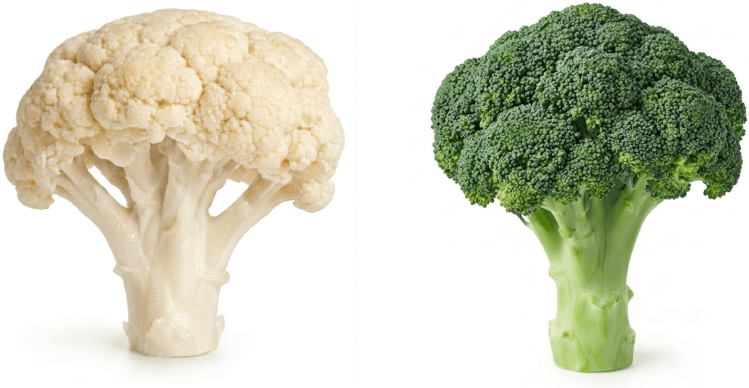
1½ cup steamed cauliflower or broccoli
(Vitamin C from raw cauliflower increases absorption of non-heme iron (plant-based iron) by 50% to 150%.)
Good source of antioxidants, glucosinolates (anti-inflammatory and anti-cancer), vitamins B6, B5, B7, and B9, K, moderate choline, and other micronutrients.
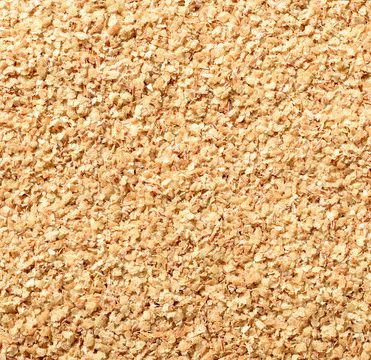
2 tablespoons of fortified wheat germ (only on no tempeh days due to very high manganese)
(Choline, protein, fiber, iron, potassium, vitamin A, vitamin E, vitamins B1 and B9, phosphorus, magnesium, and zinc.)
Provides 9% choline for each day, choline is necessary for the brain to function correctly, or it can impair memory and cognition.
Approximately 13 cups of food each day.
6 to 8 cups of water
Grow organic vegetables from home and cook the leaves for some nutritious greens.
Many plants have edible leaves, including radish, carrot, broccoli, brussel sprouts, kohlrabi, the gourd family (Cucurbitaceae [pumpkin, butternut squash, acorn squash, zucchini, yellow squash, etc.]), nasturtiums, purslane, dandelions, false hawksbeard, etc. Small leaves are the least fibrous and bristly leaves may be cooked to improve the texture. Be careful not too eat too much, different plants have different levels of oxalic acid that can reduce mineral absorption and cause kidney stones.
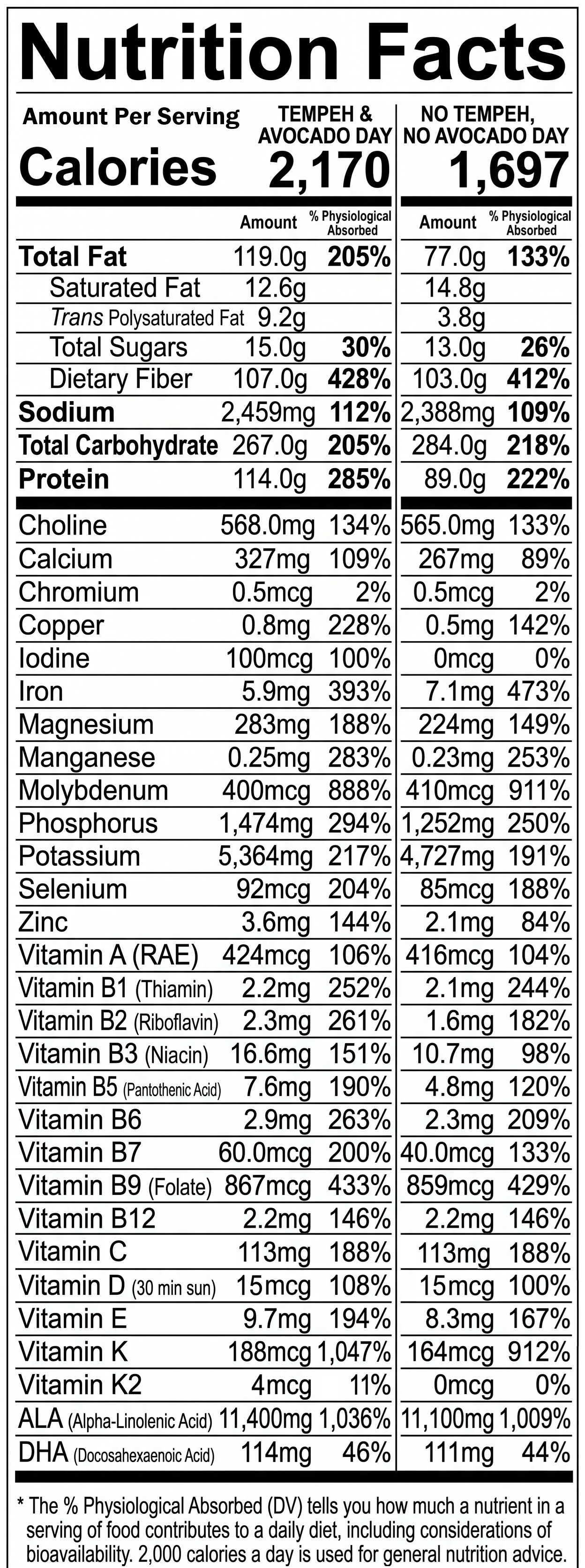
The Nutrition Facts are for the bioavailable nutrients absorbed by the body for this meal schedule, calculated for my height, weight, age, and activity level, not for the standard common Nutrition Facts ingredient values. These figures are precisely calculated by factoring in the exact phytic acid reduction from soaking and fermentation, the preservation of heat-sensitive vitamins through minimum cooking times, and the strategic meal-timing of dietary fats and Vitamin C to maximize mineral uptake.
Beneficial Herbs & Additives
Thyme: 1 teaspoon each day is antiseptic, anti-inflammatory, improves digestion, and improves acne and other skin conditions.
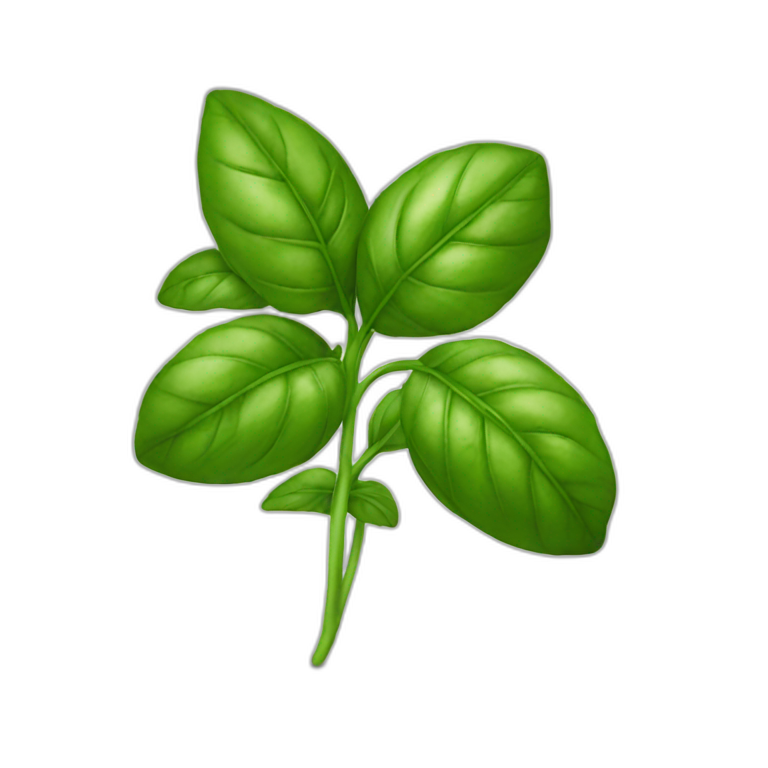
Basil: 6 leaves each day combats cancer, diabetes, and heart conditions. Provides low vitamin K content, which supports blood health and bone strength.
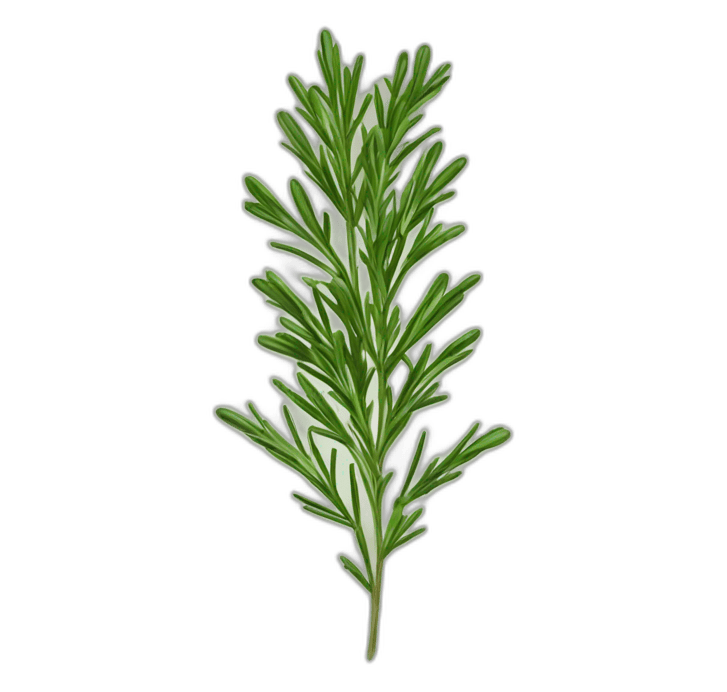
Rosemary: 1 teaspoon each day is antibacterial, anti-viral, anti-inflammatory, antioxidant, and improves circulation.
Some manufacturers and growers consider specific nutrients unnecessary to display on Nutritional Facts list, visit myfooddata.com to learn about unlisted nutrients and search for foods by the specific nutrient.
Nutritional Categorization
Calculate Nutritional Totals
Roasted Salted Sunflower Seeds
Ground Chia Seeds
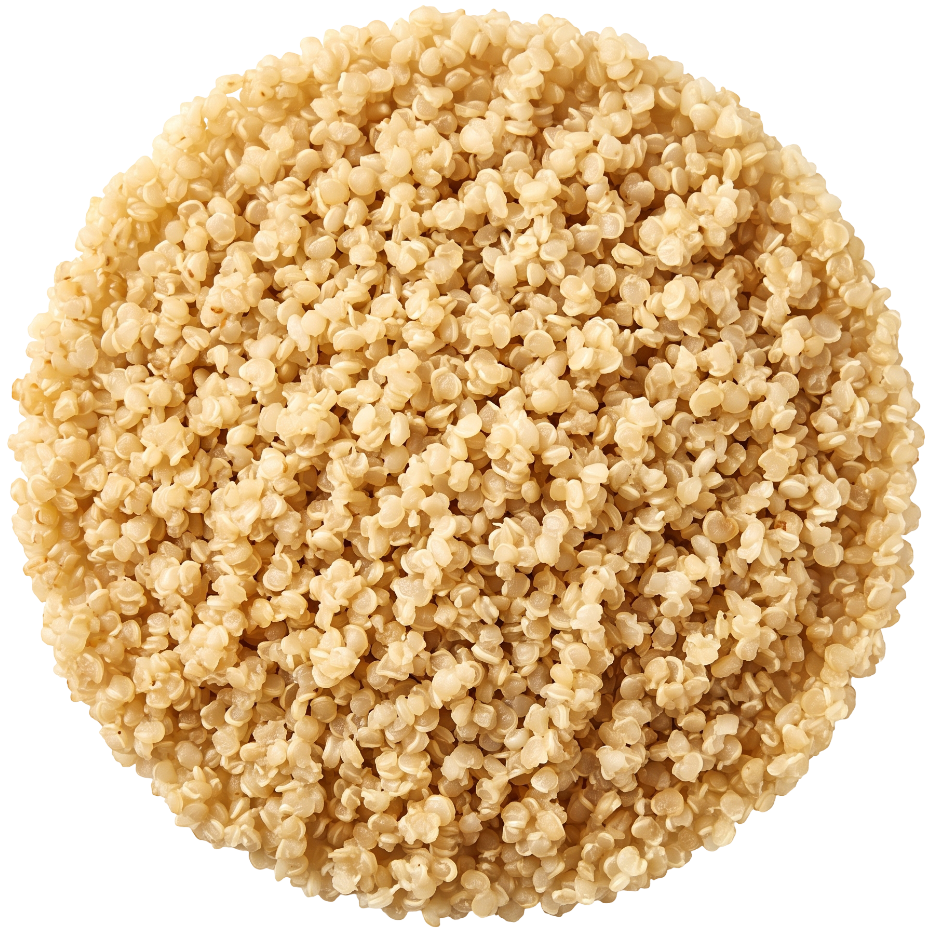
Quinoa
Unsulfured Ground Coconut
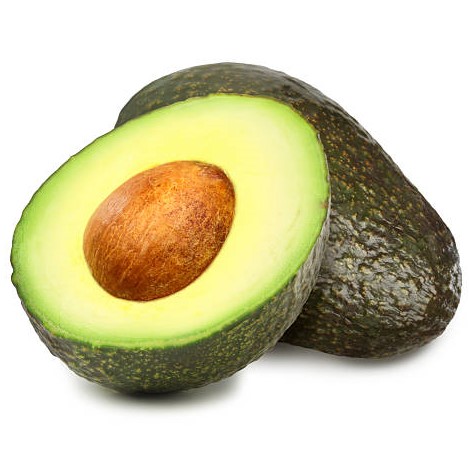
Avocado
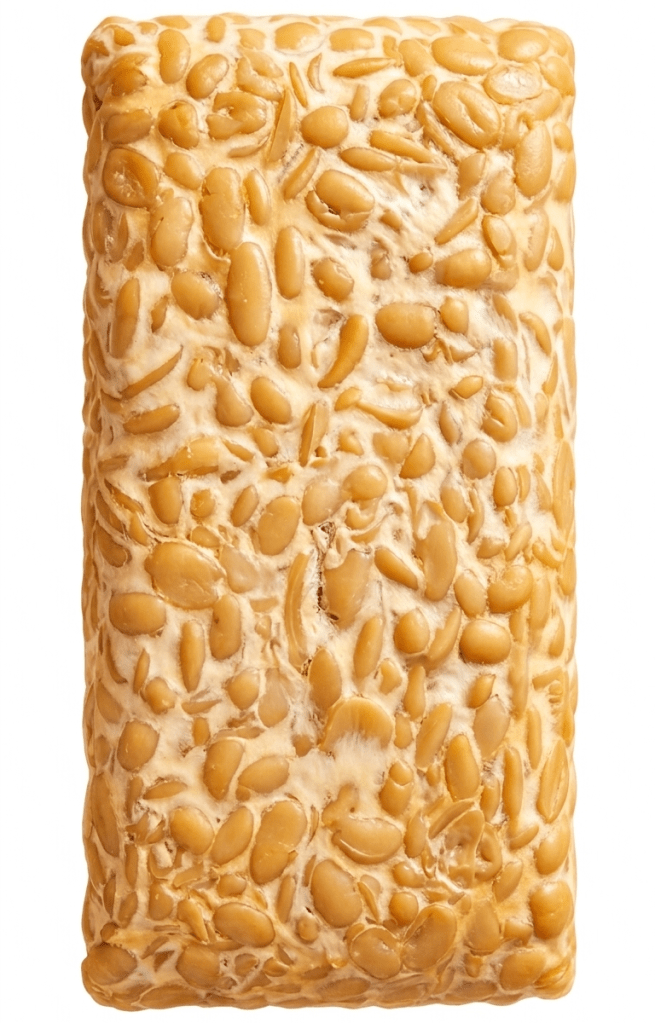
Steamed Tempeh
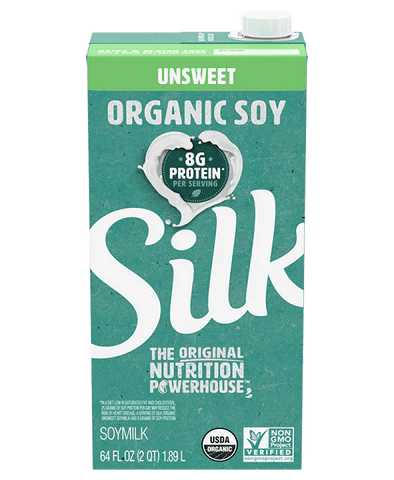
Soy Milk
Roasted Salted Sunflower Seeds
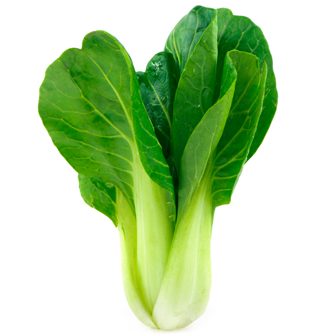
Steamed Bok Choy
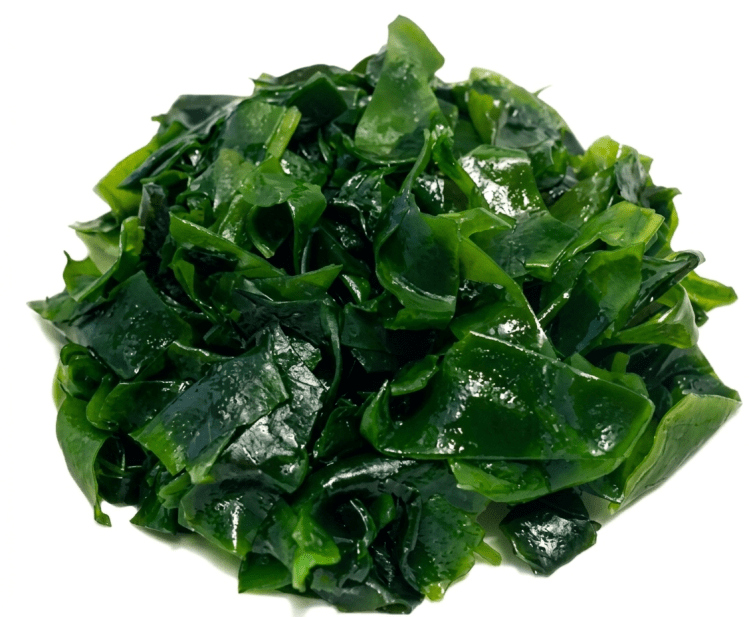
Rehydrated Wakame
Roasted Salted Sunflower Seeds
Ground Chia Seeds
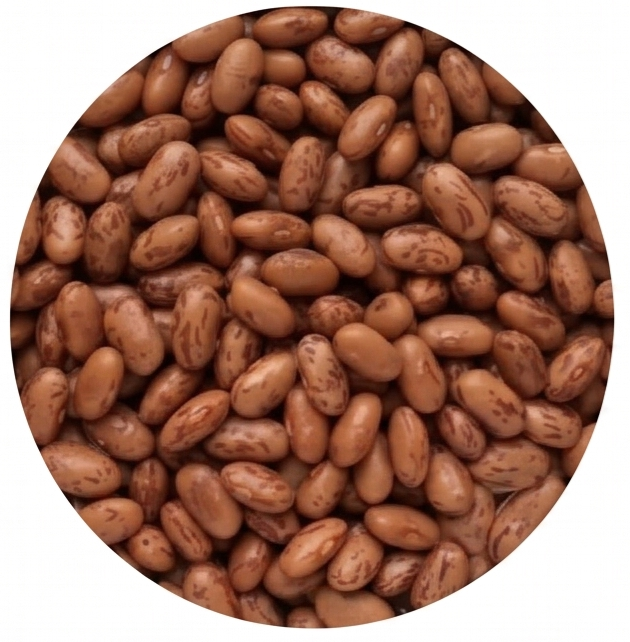
Pinto Beans
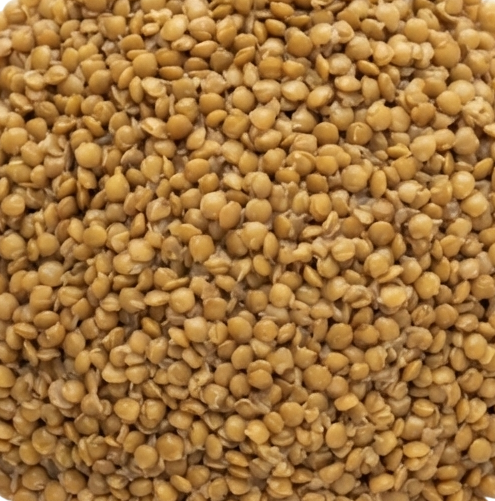
Lentils
Quinoa
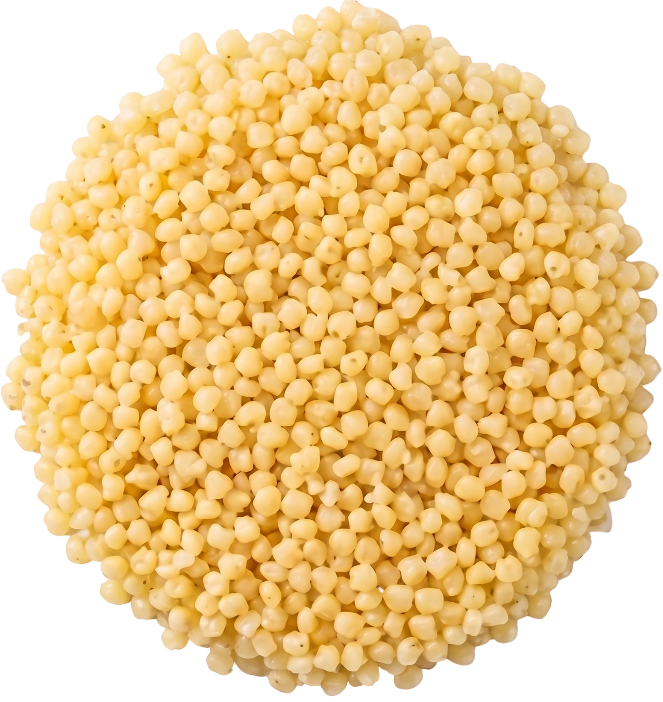
Cooked Millet
Avocado
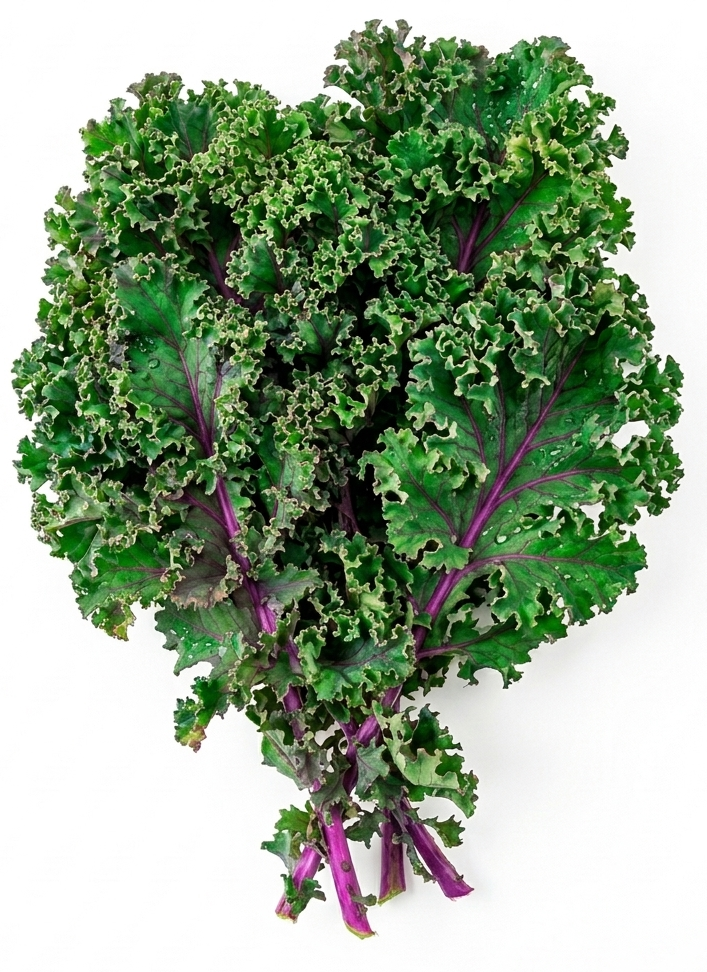
Steamed Kale
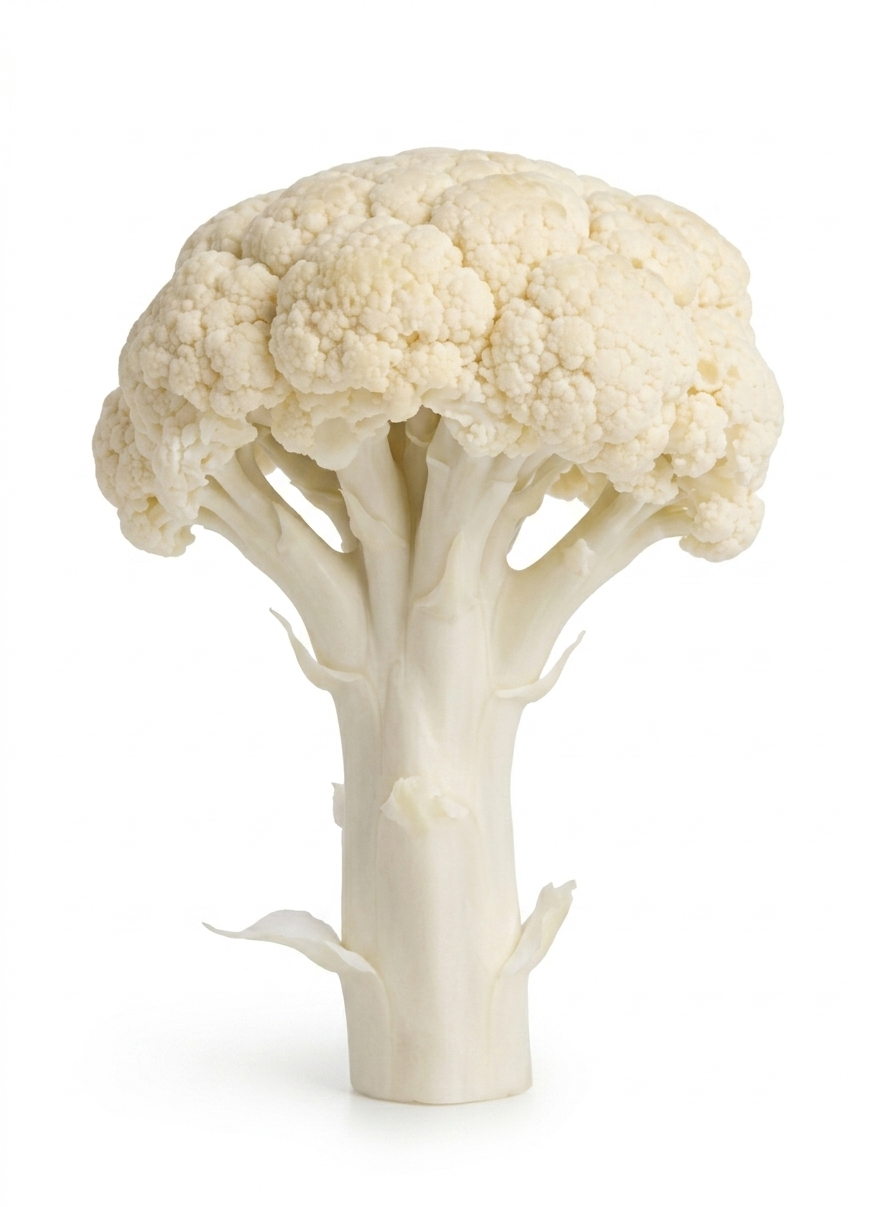
Steamed Cauliflower
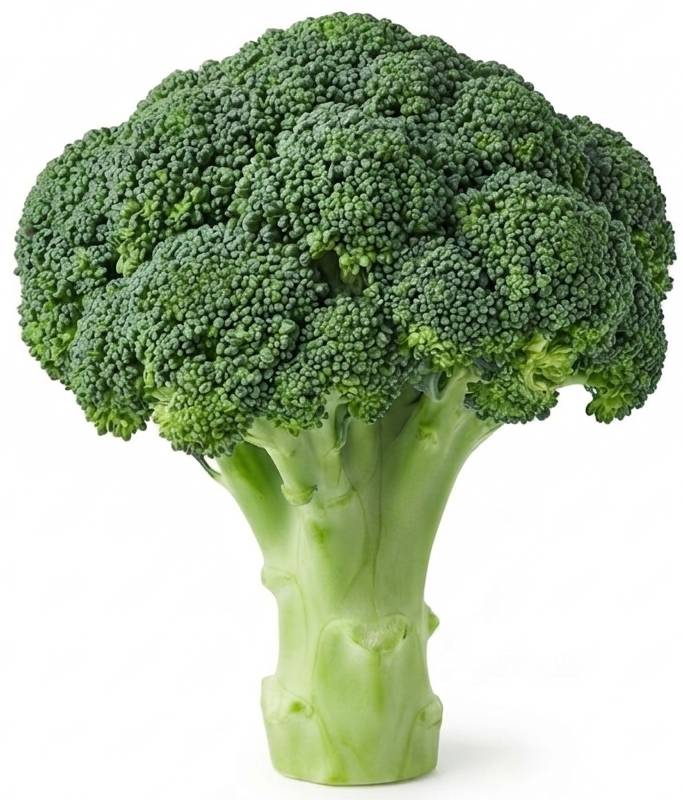
Steamed Broccoli
Steamed Tempeh
Soy Milk
Roasted Salted Sunflower Seeds
Ground Chia Seeds
Pinto Beans
Lentils
Quinoa
Cooked Millet
Fortified Wheat Germ
Unsulfured Ground Coconut
Avocado
Steamed Bok Choy
Steamed Kale
Steamed Cauliflower
Steamed Broccoli
Steamed Tempeh
Soy Milk
Roasted and Salted Sunflower Seeds
Ground Chia Seeds
Pinto Beans
Lentils
Quinoa
Cooked Millet
Fortified Wheat Germ
Avocado
Steamed Bok Choy
Steamed Kale
Steamed Cauliflower
Steamed Broccoli
Steamed Tempeh
Soy Milk
Roasted Salted Sunflower Seeds
Ground Chia Seeds
Pinto Beans
Lentils
Quinoa
Cooked Millet
Steamed Bok Choy
Steamed Kale
Steamed Cauliflower
Steamed Broccoli
Steamed Tempeh
Rehydrated Wakame
Soy Milk
Roasted Salted Sunflower Seeds
Ground Chia Seeds
Pinto Beans
Lentils
Quinoa
Cooked Millet
Fortified Wheat Germ
Avocado
Steamed Bok Choy
Steamed Cauliflower
Steamed Broccoli
Soy Milk
Steamed Tempeh
Roasted Salted Sunflower Seeds
Ground Chia Seeds
Pinto Beans
Lentils
Quinoa
Cooked Millet
Fortified Wheat Germ
Unsulfured Ground Coconut
Avocado
Steamed Bok Choy
Steamed Kale
Steamed Cauliflower
Steamed Broccoli
Rehydrated Wakame
Rehydrated Wakame
Soy Milk
Roasted Salted Sunflower Seeds
Ground Chia Seeds
Pinto Beans
Lentils
Quinoa
Cooked Millet
Fortified Wheat Germ
Avocado
Steamed Bok Choy
Steamed Kale
Steamed Cauliflower
Steamed Broccoli
Steamed Tempeh
Soy Milk
Roasted Salted Sunflower Seeds
Ground Chia Seeds
Pinto Beans
Lentils
Quinoa
Cooked Millet
Fortified Wheat Germ
Avocado
Steamed Bok Choy
Steamed Kale
Steamed Cauliflower
Steamed Broccoli
Steamed Tempeh
Soy Milk
Rehydrated Wakame
Roasted Salted Sunflower Seeds
Ground Chia Seeds
Pinto Beans
Lentils
Quinoa
Cooked Millet
Fortified Wheat Germ
Unsulfured Ground Coconut
Avocado
Steamed Bok Choy
Steamed Kale
Steamed Cauliflower
Steamed Broccoli
Steamed Tempeh
Rehydrated Wakame
Roasted Salted Sunflower Seeds
Pinto Beans
Ground Chia Seeds
Lentils
Quinoa
Cooked Millet
Fortified Wheat Germ
Steamed Bok Choy
Steamed Kale
Steamed Cauliflower
Steamed Broccoli
Roasted Salted Sunflower Seeds
Ground Chia Seeds
Pinto Beans
Lentils
Quinoa
Cooked Millet
Fortified Wheat Germ
Avocado
Steamed Bok Choy
Steamed Kale
Steamed Cauliflower
Steamed Broccoli
Steamed Tempeh
Soy Milk
Roasted Salted Sunflower Seeds
Ground Chia Seeds
Pinto Beans
Lentils
Quinoa
Avocado
Steamed Bok Choy
Steamed Kale
Steamed Cauliflower
Steamed Broccoli
Steamed Tempeh
Soy Milk
Roasted Salted Sunflower Seeds
Ground Chia Seeds
Pinto Beans
Quinoa
Cooked Millet
Fortified Wheat Germ
Steamed Kale
Steamed Cauliflower
Steamed Broccoli
Soy Milk
Roasted Salted Sunflower Seeds
Ground Chia Seeds
Pinto Beans
Lentils
Quinoa
Cooked Millet
Fortified Wheat Germ
Avocado
Steamed Bok Choy
Steamed Kale
Steamed Cauliflower
Steamed Broccoli
Steamed Tempeh
Fortified Wheat Germ
Avocado
Steamed Bok Choy
Steamed Kale
Steamed Broccoli
Soy Milk
Rehydrated Wakame
Roasted Salted Sunflower Seeds
Ground Chia Seeds
Pinto Beans
Lentils
Quinoa
Cooked Millet
Fortified Wheat Germ
Avocado
Steamed Bok Choy
Steamed Kale
Steamed Cauliflower
Steamed Broccoli
Steamed Tempeh
Roasted Salted Sunflower Seeds
Ground Chia Seeds
Pinto Beans
Lentils
Quinoa
Cooked Millet
Fortified Wheat Germ
Avocado
Steamed Bok Choy
Steamed Kale
Steamed Cauliflower
Steamed Broccoli
Steamed Tempeh
Soy Milk
Rehydrated Wakame
Roasted Salted Sunflower Seeds
Ground Chia Seeds
Pinto Beans
Lentils
Quinoa
Cooked Millet
Fortified Wheat Germ
Avocado
Steamed Bok Choy
Steamed Kale
Steamed Cauliflower
Steamed Broccoli
Steamed Tempeh
Roasted Salted Sunflower Seeds
Ground Chia Seeds
Pinto Beans
Lentils
Quinoa
Cooked Millet
Fortified Wheat Germ
Steamed Bok Choy
Avocado
Steamed Kale
Steamed Cauliflower
Steamed Broccoli
Roasted Salted Sunflower Seeds
Ground Chia Seeds
Pinto Beans
Lentils
Fortified Wheat Germ
Avocado
Steamed Bok Choy
Steamed Kale
Steamed Cauliflower
Steamed Broccoli
Steamed Tempeh
Roasted Salted Sunflower Seeds
Pinto Beans
Lentils
Fortified Wheat Germ
Avocado
Steamed Kale
Steamed Cauliflower
Steamed Broccoli
Steamed Tempeh
Vitamin B9
(Folate or Folic Acid)
Roasted Salted Sunflower Seeds
Ground Chia Seeds
Pinto Beans
Lentils
Quinoa
Cooked Millet
Fortified Wheat Germ
Avocado
Steamed Bok Choy
Steamed Kale
Steamed Cauliflower
Steamed Broccoli
Rehydrated Wakame
Soy Milk

30 Minutes Sun Each Day
Soy Milk
Roasted Salted Sunflower Seeds
Pinto Beans
Quinoa
Fortified Wheat Germ
Avocado
Steamed Bok Choy
Steamed Kale
Steamed Broccoli
Vitamin K
Pinto Beans
Lentils
Avocado
Steamed Bok Choy
Steamed Kale
Steamed Cauliflower
Rehydrated Wakame
Steamed Tempeh
Roasted Salted Sunflower Seeds
Ground Chia Seeds

