Visit my other website veganbotany.com for planting, natural medicine, and vegan health information.
The information provided on this site is for educational purposes only, please consult with a qualified healthcare professional regarding your specific health requirements.
A strategized vegan diet is very healthy, however requires meticulous attention to:
- Acquire each nutrient to achieve the necessary healthy recommended day value (RDV) intake.
- Schedule when to eat meals in consideration of nutrient interactions.
- Prevent the intake of avoidable hindering or harmful substances that naturally occur in vegan foods.
When vegan diets are poorly planned, they can lead to deficiencies in essential nutrients like vitamin B₁₂, iron, calcium, vitamin D, iodine, zinc, and omega-3 fatty acids. Chronic vitamin, nutrient, and mineral deficiencies can result in long-term complications such as anemia, osteoporosis, neurological disorders, and death.
NAVIGATION
I started as a naive vegan, not knowing each nutrient, micronutrient, vitamin, and mineral has a very important function within the body in order for all internal and external components to properly continue to work properly. I ate many processed and frozen foods and had low energy levels, not knowing why. Once I started eating as many of the fruits and vegetables as I eat raw and only ate natural, unprocessed foods, I stopped having depression, I constantly feel beautiful inside and out, and have had increased constant energy each day, which allows me to exercise regularly.
Necessary Omega Fats To Survive and ALA and DHA, Required to Keep Humans Alive
Why Omega Fats (ALA & DHA) Are Non‑Negotiable for Vegans
Omega‑3 fats are required for the body and brain to normally function to prevent causing ailments and sickness, the most important types are ALA and DHA.
- ALA (alpha‑linolenic acid) is the short‑chain omega‑3 found in plant foods. It supports basic functions and acts as raw material for longer fats.
- DHA (docosahexaenoic acid) is the long‑chain omega‑3 that becomes a building block of our brain, eyes, and nerve cells. A steady supply is critical for clear thinking, sharp vision, and a balanced inflammatory response.
Our bodies can convert ALA into DHA, but the process is very limited. Typically, only about 0.5–2%+ of ALA becomes DHA, depending on age, gender, genetics, and health. Relying on ALA alone prevent efficient levels of DHA, especially if we’re stressed, eat too many processed omega‑6 fats, or are pregnant or aging.
Best Vegan ALA Sources (Choose at Least Two)
| 4 tablespoons chia seeds | ~2.5 grams ALA, 0.5-2.0% conversion rate to DHA: 5–20% RDV | Requires 30 minutes minimum soaking time, however soak for 12 to 24 hours in the fridge to reduce phytates by 25% to 40% and increases mineral absorbency by 20% to 60%. Dry chia seeds can absorb 12 times their weight in liquid, pulling moisture from the digestive tract if not soaked, potentially causing bloating, discomfort, or infrequently digestive blockage. |
| 4 tablespoons ground flaxseed | ~2 grams ALA, 0.5-2.0% conversion rate to DHA: 4–16% RDV | If flax seeds aren’t ground, the body can’t absorb any omega-3 (ALA), antioxidants, or protein from them. Teeth aren’t efficient to properly grind flax seeds. |
| 3 tablespoons raw, hulled hemp seeds | ~2.5 to 3 grams ALA, 0.5-2.0% conversion rate to DHA: 5–24% RDV | Consuming shelled hemp hearts rather than whole hemp seeds prevents phytates (the outer hemp shells have phytates) from decreasing absorption of minerals like zinc and iron. |
| ¼ cup raw walnuts | ~2.5 grams ALA, 0.5-2.0% conversion rate to DHA: 5–20% RDV) | Cooked or roasted walnuts have 5% to 15% less omega-3 (ALA) destroyed. |
- (
If flax seeds aren’t ground, the body can’t absorb any omega-3 (ALA), antioxidants, or protein from them. Teeth aren’t efficient to properly grind flax seeds. - 4 tablespoons chia seeds
(~2.5 grams ALA, 0.5-2.0% conversion rate to DHA: 5–20% RDV)
Requires 30 minutes minimum soaking time, however soak for 12 to 24 hours in the fridge to reduce phytates by 25% to 40% and increases mineral absorbency by 20% to 60%. Dry chia seeds can absorb 12 times their weight in liquid, pulling moisture from the digestive tract if not soaked, potentially causing bloating, discomfort, or infrequently digestive blockage. - 3 tablespoons raw, hulled hemp seeds (~2.5–3 grams ALA)
(~2.5 to 3 grams ALA, 0.5-2.0% conversion rate to DHA: 5–24% RDV) - ¼ cup raw walnuts (~2.5 grams ALA)
(~2.5 grams ALA, 0.5-2.0% conversion rate to DHA: 5–20% RDV)
Cooked or roasted walnuts have 5% to 15% less omega-3 (ALA) destroyed.
How To Create the Best ALA Conversions to DHA
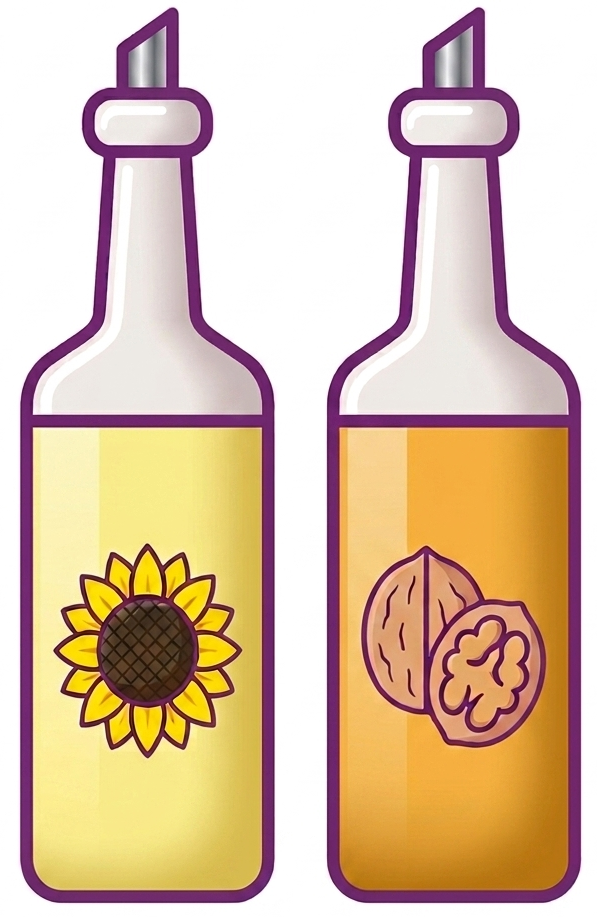
- Avoid Excess Omega‑6 Fats – These compete with ALA for the same enzymes. Oils like soybean, corn, sunflower, and safflower are very high in omega‑6 and can sharply lower conversion. Keeping your omega‑6 intake moderate is one of the most effective steps.
- Avoid or Limit or Alcohol – Regular or heavy drinking can inhibit the desaturase enzymes that convert ALA into longer-chain omega‑3s.
- Take Sufficient Conversional Nutrients – The conversion for ALA to DHA needs zinc, magnesium, vitamin B6 (pyridoxine), and vitamin B7 (biotin), not having enough of these nutrients slow the process of ALA conversion.
- Avoid or Minimize Trans Fats and Highly Processed Foods – These can disrupt normal fat metabolism and should be minimized.
- Avoid Excess Omega‑6 Fats – These compete with ALA for the same enzymes. Oils like soybean, corn, sunflower, and safflower are very high in omega‑6 and can sharply lower conversion. Keeping your omega‑6 intake moderate is one of the most effective steps.
- Avoid or Limit or Alcohol – Regular or heavy drinking can inhibit the desaturase enzymes that convert ALA into longer-chain omega‑3s.
- Take Sufficient Conversional Nutrients – The conversion for ALA to DHA needs zinc, magnesium, vitamin B6 (pyridoxine), and vitamin B7 (biotin), not having enough of these nutrients slow the process of ALA conversion.
- Avoid or Minimize Trans Fats and Highly Processed Foods – These can disrupt normal fat metabolism and should be minimized.
- Fat Malabsorption Issues – Any condition that affects fat digestion (low bile output, pancreatic insufficiency) can reduce absorption of all fats, including ALA and DHA. Take ALA and DHA with a small amount of healthy fat to improve uptake, but this is typically not a concern for healthy individuals eating natural foods.
Moderate to High Nutrient Interactions Preventing Proper Nutrient Absorption, Causing Accidental Malnutrition
A nutrient‑dense diet is capable of becoming nutritionally deficient. One of the most overlooked reasons is mineral competition, several nutrients share absorption pathways. Consuming one in a large amount of food with varying, moderate to high levels of many nutrients, vitamins, and minerals can block the uptake of another nutrient, even if you’re getting enough on according to the RDV percentage.
Vegans must be aware of this, plant‑based diets are already lower in some minerals like iron and zinc, and small absorption losses can gradually cause health problems or even death over the years.
Natural foods are always better than supplemental capsules and oils for nutrient competition, because whole natural foods contain nutrients in balanced ratios alongside helpful nutrients that support absorption, whereas repeatedly taking isolated supplements with overwhelming RDV percentages can overwhelm transport pathways and create nutrient competition, causing imbalances. Supplemental capsules and oils can easily push mineral or vitamin intake past safe thresholds, because our body lacks a gradual, self-limiting absorption mechanism for isolated doses. These imbalances wouldn’t occur if eating the same supplemented nutrient from its natural food source.
Nutrients That Compete With Other Nutrients
| Nutrient Pair | What Happens | How to Avoid It |
|---|---|---|
| Calcium & Iron | Calcium significantly reduces non‑heme iron absorption when eaten at the same meal (≥300 mg). | Separate high‑calcium foods (fortified milk, kale) from iron‑rich meals. Add vitamin C to iron meals. Vitamin C captures non‑heme iron and converts it from the poorly absorbed ferric form (Fe³⁺) into the highly absorbable ferrous form (Fe²⁺), while also binding to it so it stays soluble and available for uptake. |
| Zinc & Copper | Long‑term, high‑dose zinc can cause copper deficiency by trapping copper in intestinal cells. | If supplementing zinc, ensure a small copper intake (food or 1‑2 mg). Choose whole food zinc sources like pumpkin seeds. |
| Magnesium & Calcium | The two minerals compete for the same transport systems. Over‑supplementing one can hinder the other. | Keep a balanced dietary ratio (roughly 2:1 calcium to magnesium). Don’t megadose. |
| Phosphorus & Calcium | Excess phosphorus (from colas, processed foods) triggers a hormone that leaches calcium from bones. | Limit soft drinks and heavily processed items. Phosphorus from whole grains and legumes is less problematic. |
| Iron & Manganese | High iron intakes can reduce manganese absorption via shared intestinal transporters. | Only supplement iron if a deficiency is confirmed. |
How To Increase Nutrient and Mineral Absorption
Avoid or Limit ultra‑processed foods and colas. Their high phosphate additives disrupt calcium balance far more than the phosphorus in beans, lentils, or oats.
Eat a variety of whole unprocessed plant foods to naturally provide vitamins, nutrients, and minerals in safer ratios.
Be cautious with single‑mineral supplements. Taking isolated calcium, zinc, or iron in high doses without balancing competitive nutrients, minerals, or phytates can silently create a new deficiency.
Other Absorbency Considerations
Vitamins B12 interacts with: Goldenseal, licorice root, mint, acid reflux medication, and diabetes medication (these may affect B12 absorption).
Vitamin C requires Iron to be absorbed.
Fat is required for Vitamin D to be absorbed. Vitamin D is required for calcium to be absorbed.
Vitamins A, E, and K also require fat in order for them to be absorbed.
Eat fat at the same time with these vitamins.
Importance of Soaking Grains To Prevent Nutrient Absorption Deficiency
Natural Malabsorption: Phytates, Oxalates, and Tannins
Further than nutrient and mineral competition, plants contain several natural compounds that can temporarily bind nutrients and prevent them from being absorbed. Vegans hear about these often, but the practical solutions are simple and rarely mean you have to avoid the food.
Description: The primary storage form of phosphorus in grains, beans, legumes, nuts, and seeds.
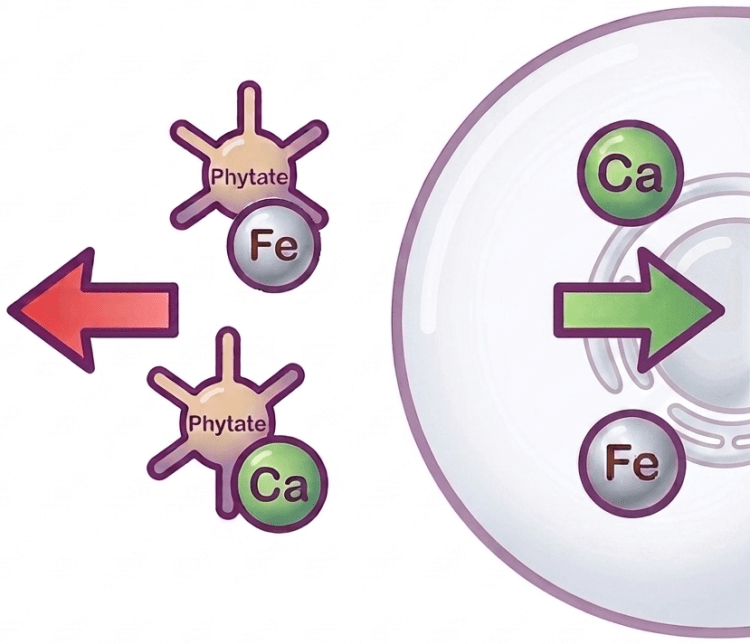
Function: Phytates in raw foods bind to iron, zinc, calcium, and magnesium in the digestive tract, making the minerals they bind to unavailable for our bodies to absorb.
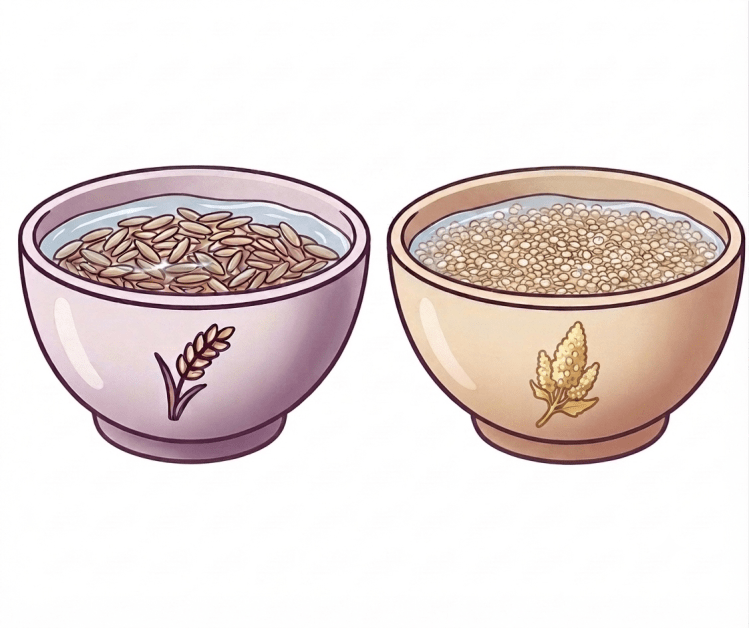
Solution: Soaking, sprouting, fermenting, and cooking activate the enzyme phytase, which breaks down phytates. Beware, cooking and freezing food destroys 20-70% of the nutrient content, depending on the nutrient, vitamin, or mineral.
- Soak beans and legumes overnight in warm water with a splash of lemon juice or vinegar, this activates phytase (pulverized phytates) and substantially lowers phytic acid. I don’t advise soaking grains, nuts, or ground chia seeds, because this makes a very high percentage of the copper and manganese from them more bioavailable and can accumulate in excess and cause serious health problems. Beans and legumes are the only advisable foods to soak.
- Sprout them to cut phytates further and increase available vitamins.
- Sourdough fermentation does the same for bread.
After soaking, discard the water, rinse well, and cook beans and legumes thoroughly. Adding an acid (lemon juice, vinegar) or salt to the soak, along with naturally present beneficial microbes, deters harmful bacteria. Discard the water soak early and replace with fresh water if the water turns foggy or slimy.
Safe soaking temperatures: At typical room temperature (68–72°F), an acidified soak is safe for up to 24 hours. When the room is warmer (above 75–80°F), bacteria multiply faster, especially in plain water. In those conditions, either shorten the soak to 4 to 6 hours maximum, move it to the refrigerator after the first few hours, and use cold water from the start.
How Much Time to Soak
Always discard the water used to soak.
If you soak for more than 4 hours, either:
- Add to fridge, yet note this lowers the activity of the natural phytase in grains (nuts and seeds don’t have natural phytase, the enzyme naturally occurring in some foods that breaks down phytate)
- Add lemon juice or vinegar to prevent natural bacteria buildup that could cause illness, ideal water temperatures are 60°F to 75°F, do not let the temperature increase to more than 80°F. Do not soak at room temperature for more than 12 hours.
| Food | 4 Hour Soak Time | 8 Hour Soak Time | 12 Hour Soak Time |
| Dried Beans | 5% to 10% less phytates, +0% to +5% mineral absorpency | 20% to 30% less phytates, +15% to +25% mineral absorpency | 45% to 55% less phytates, +40% to +50% mineral absorpency |
| Beans contain oligosaccharides that can cause digestive discomfort and gas. Soak for at least 8 to 12 hours and discard the water used to soak, and then cook to improve digestibility and nutrient absorption. |
| Lentils | 15% to 20% less phytates, +10% to +15% mineral absorbency | 45% to 50% less phytates, +30% to +40% mineral absorbency | 60% to 65% less phytates, +50% to +60% mineral absorbency |
| Lentils contain oligosaccharides that can cause digestive discomfort and gas. Soak for at least 8 to 12 hours and discard the water used to soak, and then cook to improve digestibility and nutrient absorption. |
Description: Organic acids found particularly in spinach, Swiss chard, beet greens, rhubarb, and (to a lesser degree) almonds and sweet potatoes.
Function: Oxalates bind to calcium and, less so, iron, forming insoluble crystals that pass through the body unabsorbed. In sensitive individuals, a very high oxalate load can contribute to kidney stones.
Solution: Boil or steam high‑oxalate greens and discard the cooking water to reduce oxalates. Pair them with a calcium source (like tahini or fortified plant milk) at the same meal so the oxalate binds in the gut instead of your body. Rotate your greens regularly with low‑oxalate options like kale, collards, and broccoli, and stay well hydrated.
- Cook high‑oxalate greens (spinach, chard, beet greens) by boiling or steaming, then discard the cooking water. This significantly reduces soluble oxalates.
- Pair high‑oxalate foods with a calcium source at the same meal (e.g., bok choy, broccoli, cooked beans, tempeh, etc.). The oxalate will bind to the calcium in the meal instead of the calcium in your body.
- Rotate your greens. Don’t eat spinach or chard every single day; take more low-oxalate greens like kale, collards, broccoli, and bok choy.
- Stay hydrated. Adequate fluid intake helps dilute oxalates in the urine and reduces kidney‑stone risk.
- If you are prone to kidney stones, limit very high‑oxalate foods (spinach, rhubarb, beetroot) and avoid consuming them in large, concentrated amounts (like green smoothies with raw spinach every morning).
Description: Bitter polyphenols found in tea (especially black and green), coffee, red wine, and some fruits.
Function: Tannins strongly inhibit non‑heme iron absorption if consumed with a meal.
Solution: Separate high tannin foods and drinks from iron‑rich meals by at least one hour. Adding a squeeze of lemon or another vitamin‑C‑rich food to your meal can counteract some of the tannins. Enjoy high tannin beverages between meals, rather than alongside them.
Common Sources of Tannins from Vegan Foods and Beverages
- Black tea and green tea (already mentioned)
- Coffee (already mentioned)
- Cocoa and dark chocolate
- Persimmons (especially unripe ones)
- Pomegranates
- Grapes and grape juice (dark‑skinned varieties)
- Cranberries
- Certain berries (blackberries, blueberries)
- Some herbal teas (like rooibos and chamomile, though lower in tannins)
These compounds are not reasons to avoid healthy plant foods, they’re simply reasons to use traditional preparation methods that cultures around the world have practiced for generations. Soak your grains, cook your greens, enjoy your tea between meals, and you’ll receive the full benefit of the food while avoiding accidental malabsorption. The same natural foods that contain these tannins also provide the counteractive nutrients and phytase enzymes that resolve the absorbency inhibition when handled properly, something isolated supplements can’t replicate.
Concerning Vitamin, Nutrient, and Mineral Supplement Safety Thresholds
Fat‑Soluble Vitamins (Stored, Not Excreted)
These accumulate in body tissues over time, so even moderate RDV percentage can eventually reach toxicity.
| Nutrient | Lowest Concerning Daily % DV (Long‑Term) | Why |
|---|---|---|
| Vitamin A (as retinol or retinyl palmitate) | As low as 50–100% DV (900 µg RAE) | Stored in the liver; chronic excess causes liver damage, bone loss, and birth defects. Beta‑carotene from plants is safe—the body converts only what it needs. |
| Vitamin D | 100–200% DV (20–40 µg / 800–1600 IU) | Fat‑soluble and stored. Hypercalcemia risk increases above 100 µg (4000 IU) daily long‑term. |
| Vitamin E (as alpha‑tocopherol) | 200–300% DV (30–45 mg) | High doses interfere with vitamin K and blood clotting. The natural food form (mixed tocopherols) is safer. |
| Vitamin K (as menadione / K3) | Any synthetic K3 | Not used in human supplements anymore, but historically toxic. Natural K1 and K2 (MK‑7) are extremely safe. |
Minerals (Prone to Competition and Accumulation)
Minerals rarely cause acute toxicity at modest percentages, but they compete for transport and can create functional deficiencies of other minerals over time.
| Nutrient | Lowest Concerning Daily % DV (Long‑Term) | Why |
|---|---|---|
| Calcium (as carbonate/citrate) | 50–100% DV (500–1000 mg) | Supplemental calcium, especially without magnesium, can inhibit iron absorption and has been linked to arterial calcification when taken in large boluses. |
| Copper (as sulfate/gluconate) | 100–200% DV (0.9–1.8 mg) | Excess copper is pro‑oxidant and can impair zinc function and liver health. |
| Iodine (as potassium iodide) | 100–200% DV (150–300 µg) | Chronic excess disrupts thyroid function. Long‑term intakes above 300 µg/day can trigger autoimmune thyroiditis in susceptible individuals. |
| Iron (as ferrous sulfate/bisglycinate) | 25–50% DV (4.5–9 mg) | Highly absorbable supplemental iron can inhibit zinc and manganese absorption and generate oxidative stress. A low dose taken daily can still cause imbalance over months. |
| Magnesium (as citrate/oxide/glycinate) | 100–200% DV (400–800 mg) | The body tightly regulates magnesium, but high supplemental doses cause diarrhea and can transiently compete with calcium absorption. |
| Manganese (as sulfate/gluconate) | 100–200% DV (2.3–4.6 mg) | Accumulates in the basal ganglia; chronic excess linked to neurotoxicity resembling Parkinson’s. |
| Selenium (as selenomethionine/selenite) | 100–200% DV (55–110 µg) | The therapeutic window is narrow. Chronic intakes above 400 µg/day cause selenosis (hair loss, nail brittleness, garlic breath odour). Even 200 µg daily can be problematic if baseline selenium status is already adequate. |
| Zinc (as zinc oxide/citrate/picolinate) | 50–100% DV (5.5–11 mg) | Long‑term intake above the Upper Limit (40 mg) causes copper deficiency, but chronic daily dosing at 50% DV can begin to alter the zinc:copper ratio. |
Water‑Soluble Vitamins (Usually Excreted, Not Always Benign)
Most excess water‑soluble vitamins are removed by urination, however several have surprising risks at moderate‑to‑high daily doses.
| Nutrient | Lowest Concerning Daily % DV (Long‑Term) | Why |
|---|---|---|
| Vitamin B3 (Niacin, as nicotinic acid, not niacinamide) | 200–500% DV (32–80 mg) | Causes uncomfortable flushing and, at higher sustained doses, liver toxicity. Niacinamide is safer but still has an upper limit. |
| Vitamin B6 (Pyridoxine) | 100–200% DV (1.7–3.4 mg) | Surprisingly toxic in high doses. Chronic intake above 25–50 mg can cause irreversible sensory neuropathy. Even 100% DV in an isolated, highly absorbable form, if taken daily for years, may accumulate in some individuals. |
| Vitamin B9 (Folate, as folic acid, not methylfolate) | 100–200% DV (400–800 µg) | Unmetabolised folic acid in the blood from high supplemental doses may mask B12 deficiency and has been associated with accelerated cognitive decline in older adults with low B12. Natural food folate and methylfolate are safer. |
| Vitamin C | 500–1000% DV (450–900 mg) | Megadoses are usually harmless (causing only diarrhea), but chronic high intake can increase oxalate production and kidney stone risk in predisposed individuals. |

