Visit my other website veganbotany.com for planting, natural medicine, and vegan health information.
NEVER USE OPENED TOILET PAPER OR PAPER TOWELS TO TREAT WOUNDS.
INSTEAD, OPEN STERILIZED GAUZE OR A NEW PACK OF PAPER TOWELS.
Products exposed to the environment become unsanitary and may introduce bacteria to infect wounds.
Household bacteria and bathroom airborne fecal molecules collect on objects exposed to the air.
If you have a skin condition, look up a good dermatologist and schedule an appointment!
Eczema, Dermatitis, and Psoriasis
Nickel is a type of metal in the metal alloy “stainless steel”. “Surgical grade stainless steel” does not contain nickel. Ashley learned this when she was in to wearing jewelry, the cheap metal caused outbreaks and the surgical metal performed beautifully.
Consider environmental aggravators:
Cheap metal cutlery, drinking containers, metal doorknobs, jewelry (necklaces and earrings), foods and beverages, clothing decorations and zippers, etc.
Around 19 years of age, Ashley developed allergies to both nickel and -isothiazolinone (‘natural’ preservative found in cleaners, baby wipes, soap, etc.). Pregnant women who work minimum wage jobs may develop allergies as a result of hormones, stress, and the environment.
An allergic reaction causes individuals to break out in eczema, skin dermatitis, or psoriasis. Contact with allergens may cause pus-filled bumps to develop, which later become itchy (and disgusting if not maintained), with pustular encrusted, red inflamed, dry cracked, skin. Some people have such severe symptoms they lose temporary use of the affected area, such as the hands.
Learn if there is an external allergy in the body by visiting a dermatologist and requesting an allergy test. For Ashley’s allergy test, the doctor applied a variety of substances externally to her back. Afterwards, medical fabric tape was adhered to cover the tests, to insure stability of testing. She was instructed “No washing the back for a week.”. Within MINUTES of the application, there was a severe reaction to nickel and -isothiazolinone.
Cuts, Wounds, Pimples, and Acne
Open wounds provide an opportunity for infection. Severe infections may cause further health problems and sickness and could develop MRSA. Be sure to wash hands thoroughly with soap, including under fingernails where bacteria get trapped. Clean large, open abrasions with an alcohol wipe to kill bacteria, then cover and protect with a bandage. If there is excess oozing, seeping, or pusing, place a gauze pad between the skin and bandage, using medicinal tape to secure.
If a breakout occurs, stop using products in question. Exposure to the environment, external contact, or consumption can cause breakouts. Try washing with salt water or tap water. Reintroduce products one at a time, every one to two weeks, to discover the aggravator.
Ashley deals with allergies by eating basic vegan food (soaked and cooked beans, sweet potatoes, quinoa, unsweetened almond milk, etc.), using basic ingredient products (soaps, cleaners, shampoos, dish detergents, and wet wipes), and avoiding touching metal (door handles, water pipes, coins, and food may contain nickel).
Hypoallergenic Cleaning Supplies
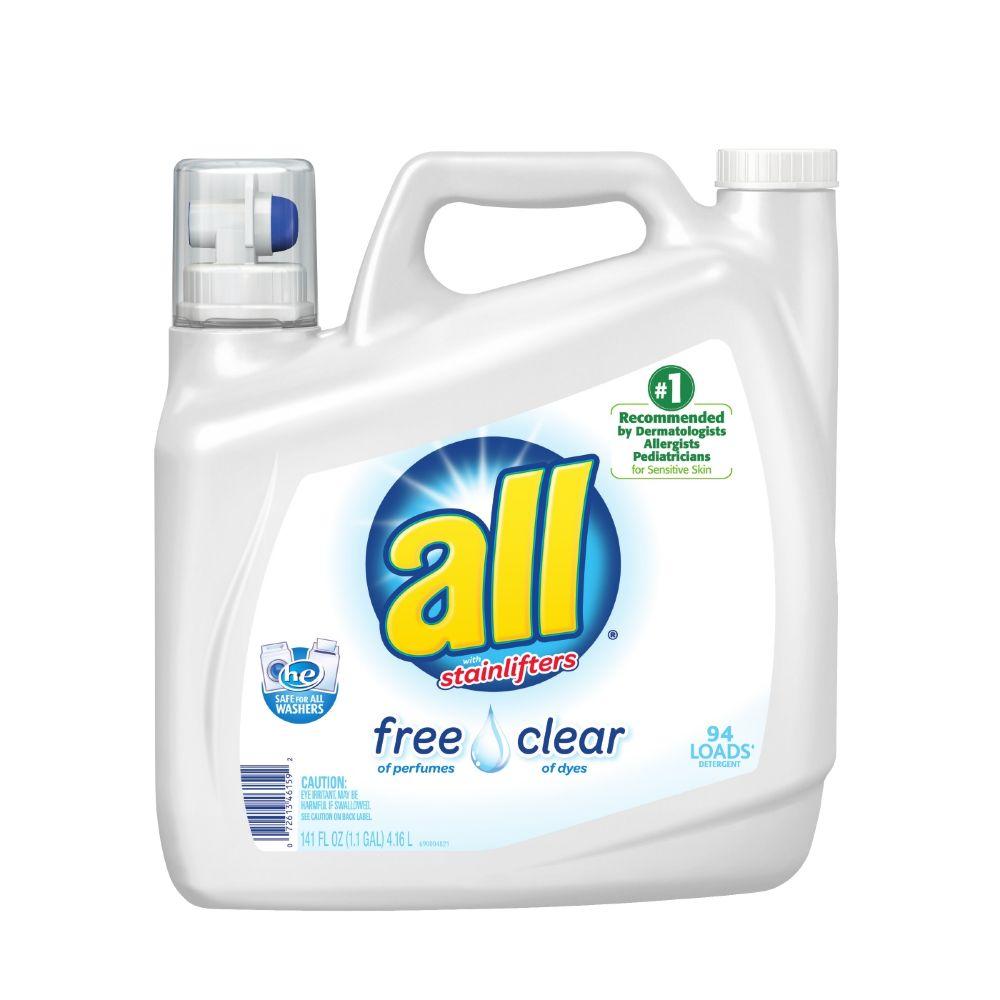

○ “All Free and Clear” laundry detergent
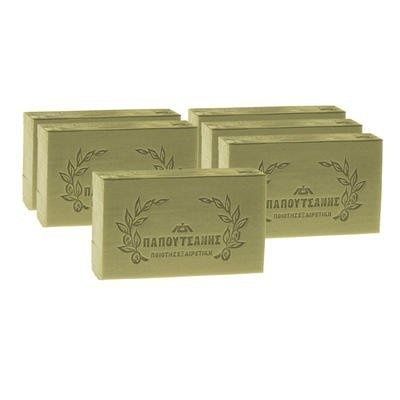
○ Olive Oil Soap (Such as Greek brand “Papoutsanin” or DIY At-Home Soap Base “Life Of The Party”) (Olive Oil soap disintegrates slower than standard soap, naturally hydrates the skin, and is nature’s ingredient!)
○ “Dr. Bronner’s 18-in-1 Baby Unscented Pure Castile Soap” washing detergent (for hand washing dishes). May contain isothiazolinone, wearing gloves is advised, not as harsh as other detergents.
Staph and MRSA
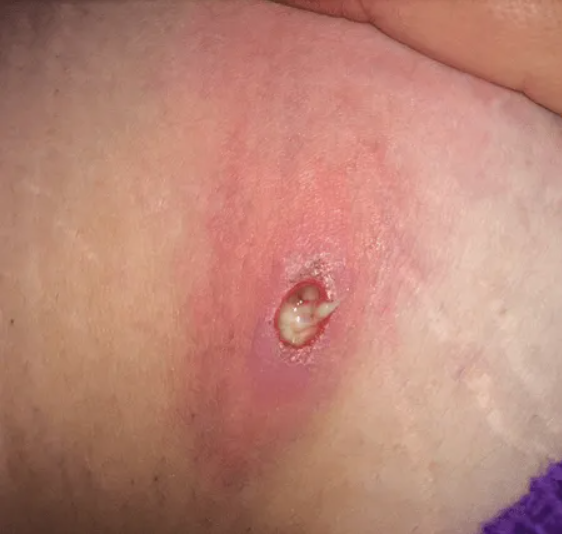
Each nostril has a 50% chance of carrying MRSA bacteria.
Photo of moderate MRSA infection.
Nose picking and scratching a cut afterwards is enough to cause a MRSA infection.
Hygienic neglect and open wounds may cause a staph infection, or MRSA (Methicillin-resistant Staphylococcus aureus), which causes a deep infection with reddening of the skin surrounding the site of infection, filled with a yellow/gray pus.
When the body cannot dissipate the infection on it’s own, consult a healthcare professional to lance and drain the MRSA infection. Amateurs using unsanitary equipment could make matters worse.
HOW TO SAFELY CHANGE BANDAGES:
Use clean hands and sterile gauze to absorb the remaining pus. Sanitize the area with rubbing alcohol, and cover with a gauze pad and bandage, to both prevent leaking and prevent further infection. Change bandages several times a day, according to seepage.
Tinea Pedis, Foot Fungus, and Athletes Foot
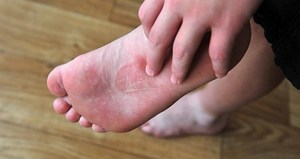

Athletes foot causes itchy bumps which are full of clear pus and red, inflamed skin in a circular pattern. If scratched, wash hands thoroughly (including under fingernails) with soap and water to prevent the spread. DO NOT POP BUMPS, which worsens the conditions and spreads the fungal infection. For foot infections, wash feet thoroughly, apply Tinactin (there are also cheaper, off brand alternatives), and carefully cover the feet with clean, dry socks.
Public places like pools, gym showers, or being barefoot can cause Athletes foot. Wear a personal pair of clean sandals while showering in public or unfavorable shared showers and be careful not to slip! NEVER KEEP WET SOCKS AND SHOES OR BOOTS ON, ALWAYS SWITCH TO DRY SOCKS AND FOOTWEAR! (Good to keep a pair of dry socks on hand) Wet socks and boots can lead to athlete’s foot, and in severe scenarios, trench foot.
Sulfa and Sulfites
Sulfites (Sulfur Dioxide) are formed when sulfur-containing fuel such as coal, petroleum oil, or diesel is burned.

Sulfites and sulfa medications are chemically unrelated. Both can cause allergic reactions in people. Ashley discovered she was allergic to sulfa when she was prescribed a medication in middle school and had an allergic reaction to the medication. Ashley broke out in hives.
Sulfur Dioxide, also known as Sulfite (sometimes spelled sulphite), makes Ashley itchy and cause her hands and feet to get hot and puffy. This allergy was developed during pregnancy, presumably.
The following items contain sulfites:
– Dried fruit (listed in ingredients as “Sulfur Dioxide”)
– Bottled Lemon & bottled Lime juice
– Wine (usually contains sulfites, check label)
– There are more items, this is the extent of my knowledge through personal use.
CLICK HERE TO LEARN MORE ABOUT OTHER FOOD INGREDIENTS!
Dust and Dirt

 Ashley Rogers