Visit my other website veganbotany.com for planting, natural medicine, and vegan health information.
With the advancements in medicine, technology, and sanitation methods, the average human lifespan has extended over time. Being hygienically conscious is an integral key to survival, especially for those who are sensitive individuals.
Hygienic Routine
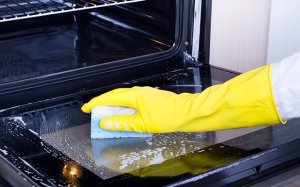
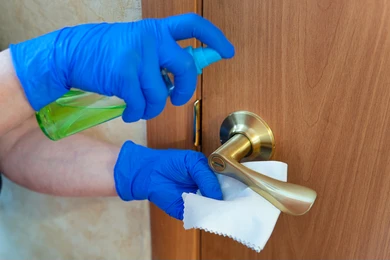
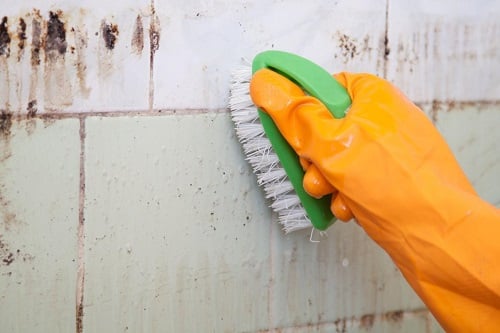
Wash hands often, at least 20 seconds. Soap helps to remove oils and bacteria. Clean under the fingernails, which traps dirt and germs.
Routinely clean (at least once a week) surfaces handles (doors/cabinets), and regularly frequented objects (chairs, backpack handles and zippers, keys) with a disinfectant. I prefer to use dilute vinegar when applicable. diluted bleach, sunlight, or boiling water.
Wash yourself often from head to toes, with at least clean, warm water. A mild soap, such as olive oil soap, helps to remove contaminants. Dust and oils are constantly collecting on our skin and can clog our pores and entice bacteria to grow!
Soap For Sensitive Skin
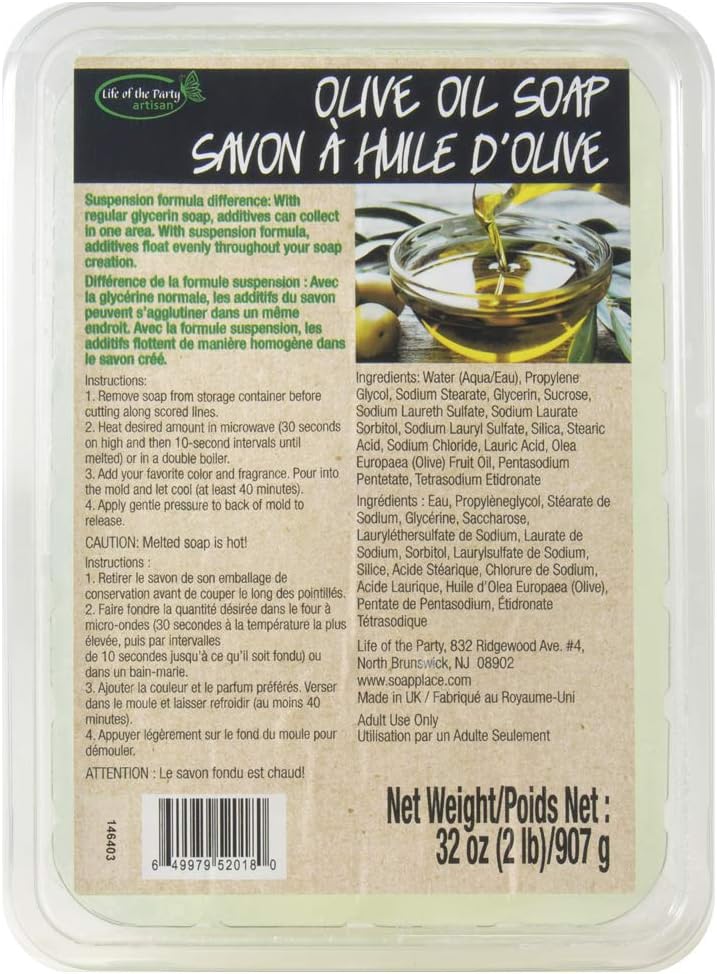
Make Market Olive Oil Soap Base
$20.36
($0.64 each ounce)
Olive oil soap has minimal ingredients, moisturizes skin with natural oils, and is gentle on sensitive skin.
Disinfectant Use Prioritization
1. (IF IT WILL MELT, SHRINK, SOFTEN, DISCOLOR, OR CAN’T BE BOILED, SKIP TO 2.)
Submerge it in water at 170°F/77°C for at least 1 minute.
2. (IF THE VINEGAR ACIDITY WILL CORRODE, DISINTEGRATE, OR DAMAGE IT, SKIP TO 3.)
Submerge it in or apply dilute vinegar mix. Optional to rinse with clean water afterwards.
3. (KEEP AWAY FROM PLACES THAT YOU STORE/PREARE YOUR FOOD.
INGESTING BLEACH CAUSES PERMANENT DISREPAIR AND SEVERE DAMAGE.)
Submerge it in or apply dilute bleach mix. Rinse thoroughly with clean water afterwards.
Disinfectant Ratios and Guidance
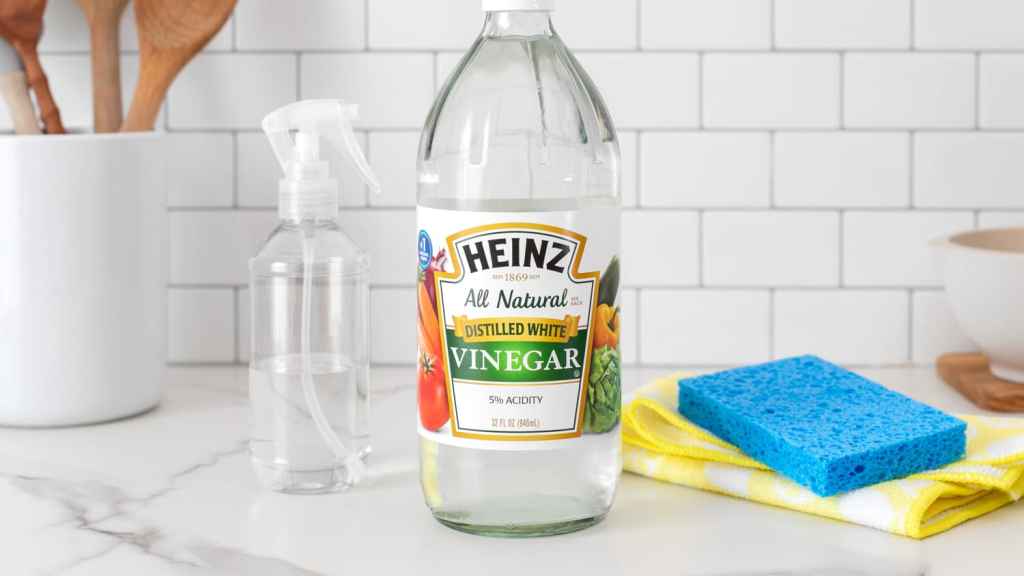
VINEGAR DISINFECTANT (Food safe): 1 part vinegar, 1 part water.
Apply to surface or to object, or submerge in mixture, wait for 30 minutes or air dry to ensure proper disinfection.
Note: Avoid using vinegar on granite and marble countertops, (the acidity erodes the stone), stone floor tiles, egg stains/spills, iron, wood, and very stubborn stains.
Mom taught me about diluting bleach, thanks Momma.
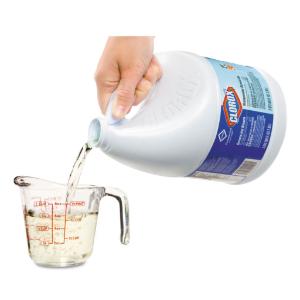
BLEACH DISINFECTANT (Not food safe): ¼ cup bleach, 1 gallon water.
Apply to surface or to object, or submerge in mixture. Wait 10 minutes to disinfect.
WARN FAMILY MEMBERS TO AVOID BLEACHED AREAS DURING DISINFECTING!
*Avoid using bleach on food surfaces (unless the surface is cleaned thoroughly with clean water afterwards), granite, copper, stainless steel, and wood.
I SUGGEST RINSING WITH CLEAN, UNBLEACHED WATER AFTER DISINFECTING WITH BLEACH!
Bleach does not ‘evaporate’ as water does, and is still present after disinfection!
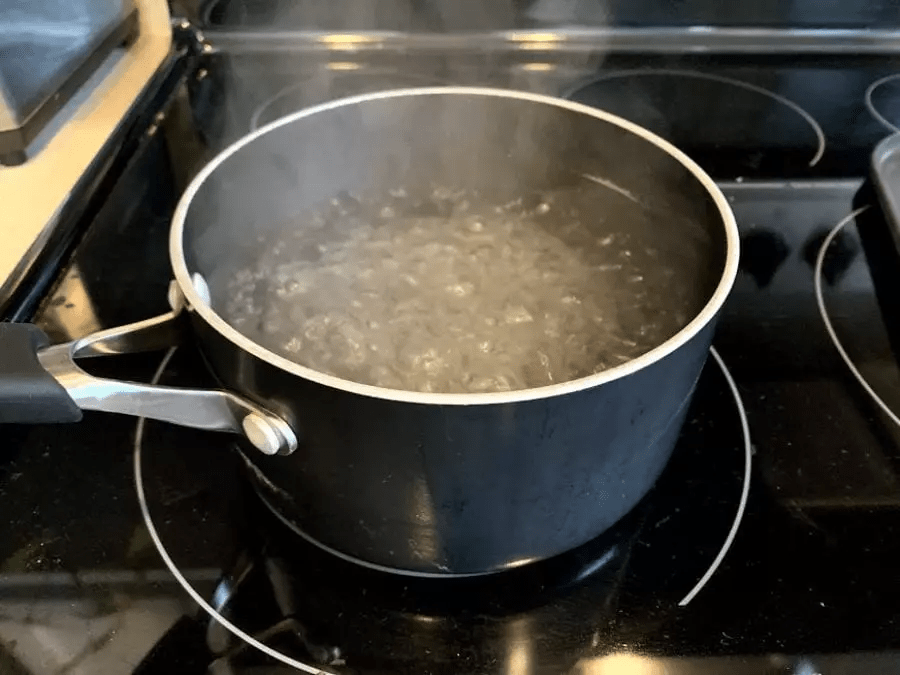
BOILING WATER AS A DISINFECTANT: Water 170°F/77°C
Immerse object for no less than 1 minute.
*Boiling wood will soften and discolor it, boiling plastics may melt from the heat.
The dishwasher, with the sanitize setting, is an excellent way to sterilize.
Make sure whatever you plan on sterilizing won’t melt or be damaged.
(I use the dishwasher on the sanitize setting to sterilize old toothbrushes and sponges.)
SUNLIGHT AS A DISINFECTANT: The sun is a natural disinfectant.
Ultraviolet (UV) light from the sun only kills germs that which it comes into contact with.
NOTE: The harsh rays from the sun can have fading or bleaching effects on objects. The ink on paper will fade, colors in clothing articles will be lightened, etc. Proceed with caution.
COVID-19 Strategies
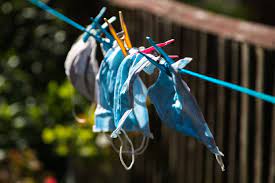
WEAR MASK AS LITTLE AS POSSIBLE. Wearing a mask improperly causes individuals to breathe in their own exhaled carbon dioxide, which accumulates in masks and may cause brain damage if inhaled for excessive time. SEEING STARS IS A BAD SIGN, THOSE ARE DYING BRAIN CELLS. Go to school online, get a remote job to work from home, order groceries to be delivered or picked up, exercise at home rather than public gyms, and avoid crowds and populated public locations.
Bleach is effective against viruses like COVID-19, while vinegar is not. Diluting 1 gallon of water with ¼ cup of bleach is potent enough to sanitize surfaces and conserves cleaning supplies.
Wash hands before leaving a location, and prior to entering a location. Anyone could be a carrier of the virus without exhibiting any symptoms or ailments!
Wear your mask when around others. DO NOT REMOVE YOUR MASK to speak ‘more clearly’ to another. All the virus needs is one opportunity to infect!
When the mask is off, such as at a restaurant, divert an unpreventable cough or sneeze in to your shirt to prevent the spread of aerosols.
Airing out the house (open one window in the front, and another in back to create a flowing draft) and keeping the doors to personal rooms closed may prevent virus spread.
Have meals socially distanced from one another, eat outside instead of indoors, or have meals separately.
Maintain social distance (6 feet) when around people, when possible.
Children are adorable, wild beings of chaos. Unfortunately, few children are educated early in their lives about proper hygiene. Little ones play in the dirt, pick their noses, rub their eyes, eat food they drop, and have a curiosity that is naive and dangerous. The 2020 pandemic of COVID-19 had me worried when children returned to school. All a virus needs is one host and the proper environment to spread quickly.
SCENARIO: Child infected with virus goes to school, picks their nose and coughs, the virus present on their hands, and coughs without covering their mouth, sending contagious aerosols into the air. Additional ways of contagion are the infected child handing out the class papers, unhygienically using the bathroom, and pushing open the door to exit school, the same door many other people (children and adults alike) will use to exit the building. All those who make hand contact to the same door handle and subconsciously rub their eyes or eat finger foods before washing their hands have the potential to contract the virus. Individuals who breathed in the same air in proximity may become infected. Any infected individual would then have the capability to thereafter spread the virus further to others at stores, gas stations, public bathrooms, places of worship, work, etc.
Scorn children (adults too!) for unhygienic behavior. Explain the reasoning to your corrective methods, so that functionality can be communicated and comprehended. If we understand the severity and impact of the nature, we will take it seriously.
Cleaning Reuseable Pads
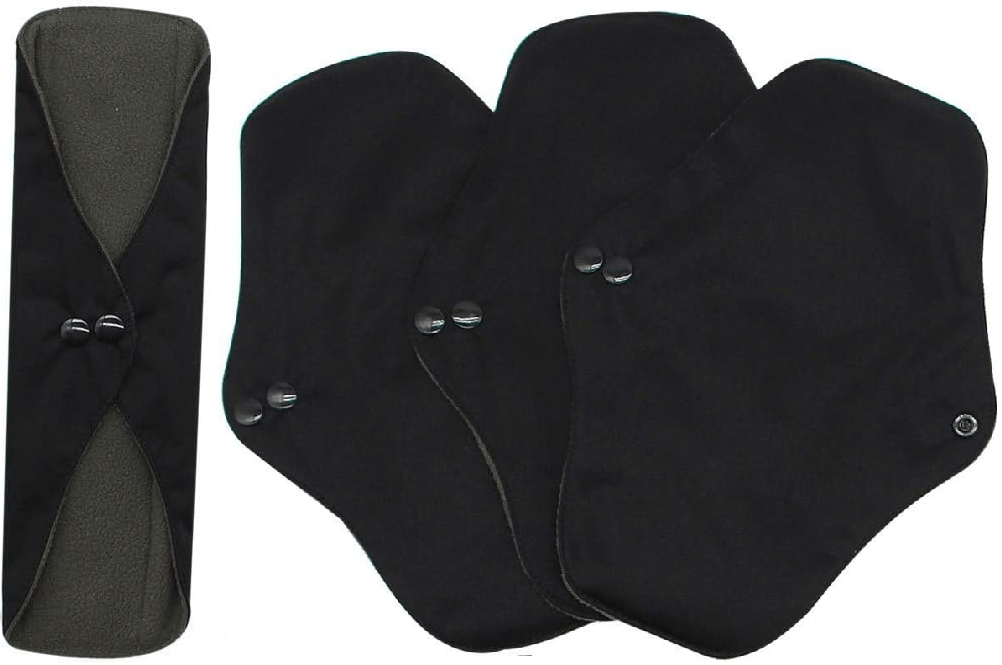
To get rid of smells and keeps pads in good condition:
Close used reusable pads and keep them in a closed, waterproof bag.
When getting ready to shower, rinse the pad with warm water and wring several times to remove as much of the menstruation as possible. Wring out the excess and hang to dry in the shower, or if it’s a shared shower, in a room or outside. Once dry, close the pad and add it to a separate stack in the dirty laundry pile.
After the menstrual cycle is over, 30 minutes prior to starting laundry on laundry day, soak the pads in a sink or a container.
With 1 cup of white distilled vinegar nearby, unfold each pad and pour (absorbent side up) vinegar to saturate the pad, layering one on to of another. Fill until barely covered with warm water, the more undilute the vinegar the better. Immediately afterwards, wash hands thoroughly with soap and water for at least 20 seconds.
Soak pads for 30 minutes. After 30 minutes, either add the container contents to the laundry or drain and add pads to any load of laundry. Clean the sink or container with soap and water to keep it clean.
Laundry Techniques
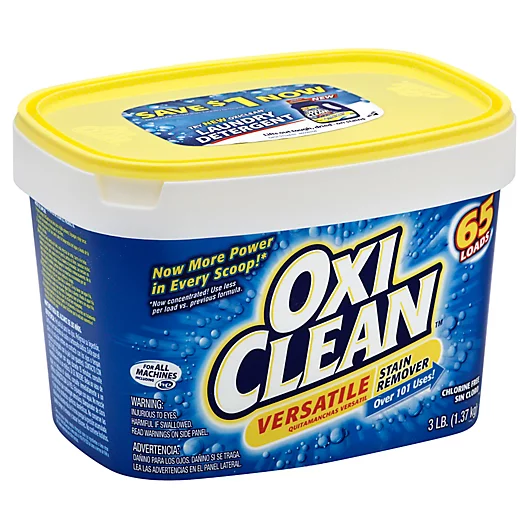
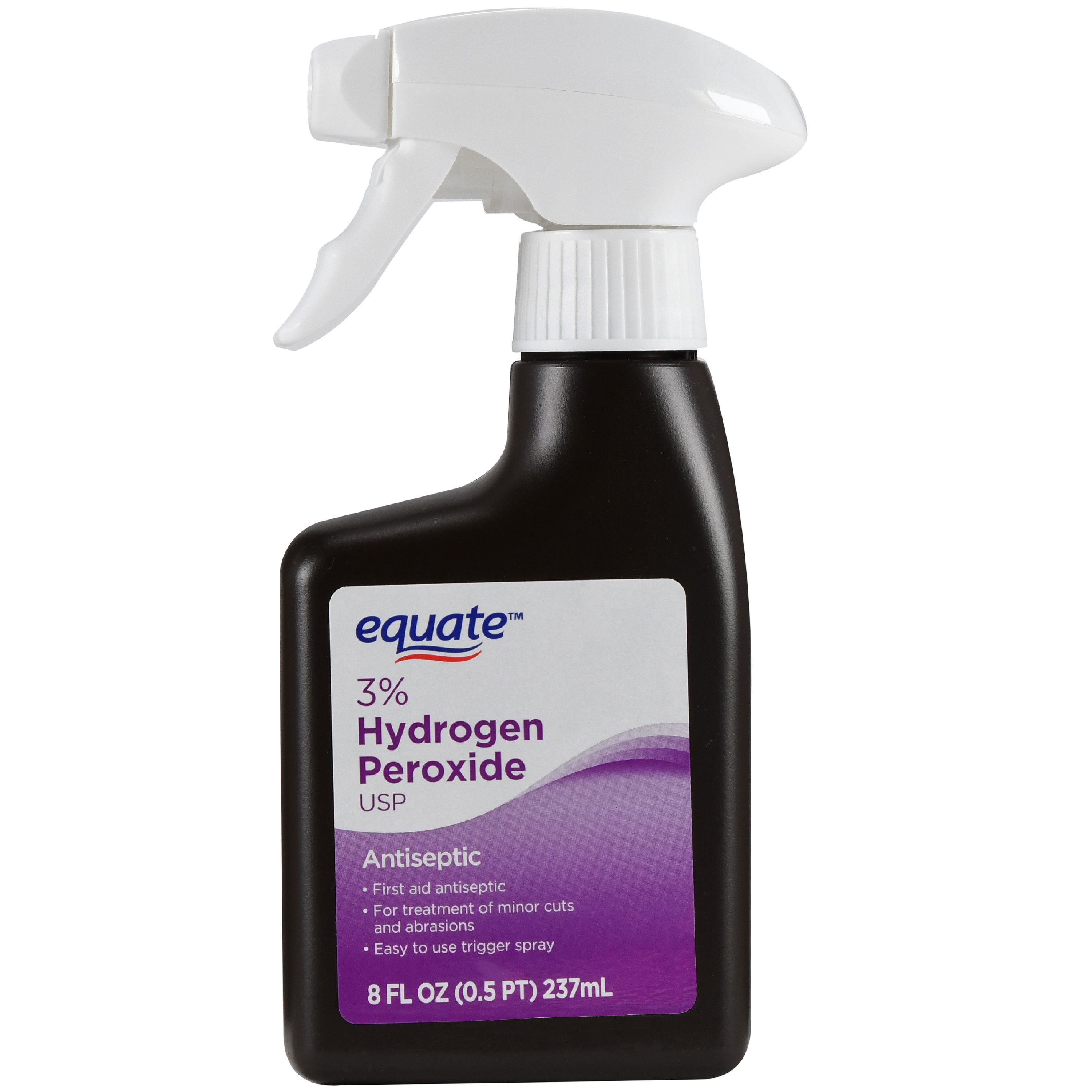
Oxiclean and hydrogen peroxide used together works on blood stains, heavy stains, etc. The process might need to be repeated to successfully remove a stain that cannot be bleached. Oxiclean and hydrogen peroxide may bleach some clothing, apply in a small, discreet area first.
 Ashley Rogers